Building a PC used to mean big towers, but the future is small. After years with the same case, one builder discovered that downsizing offers thrilling challenges and big performance in tiny packages. This journey into small form factor (SFF) computing explores two standout cases: the ultra-compact Dan A4 SFX and the more accommodating Streacom DA2. Each proves you don't need a massive desk presence to house top-tier hardware like an Intel i9-9900KS or an RTX 2080 Ti. Let's dive into the questions that matter.
Why downsize your PC build?
Downsizing isn't just about saving space. It forces a clever integration of high-performance components into a fraction of the volume of a traditional tower. The result is a system that's easier to move, less obtrusive on your desk, and often more fun to build. As PC upgrades became routine, the challenge of fitting powerful hardware into cramped quarters adds excitement. Plus, compact builds consume less material and can be more energy-efficient. The trade-off is sometimes limited cooling and tighter cable management, but modern SFF cases address these issues with thoughtful designs. Ultimately, downsizing keeps PC building engaging and relevant in an era of consoles and laptops.
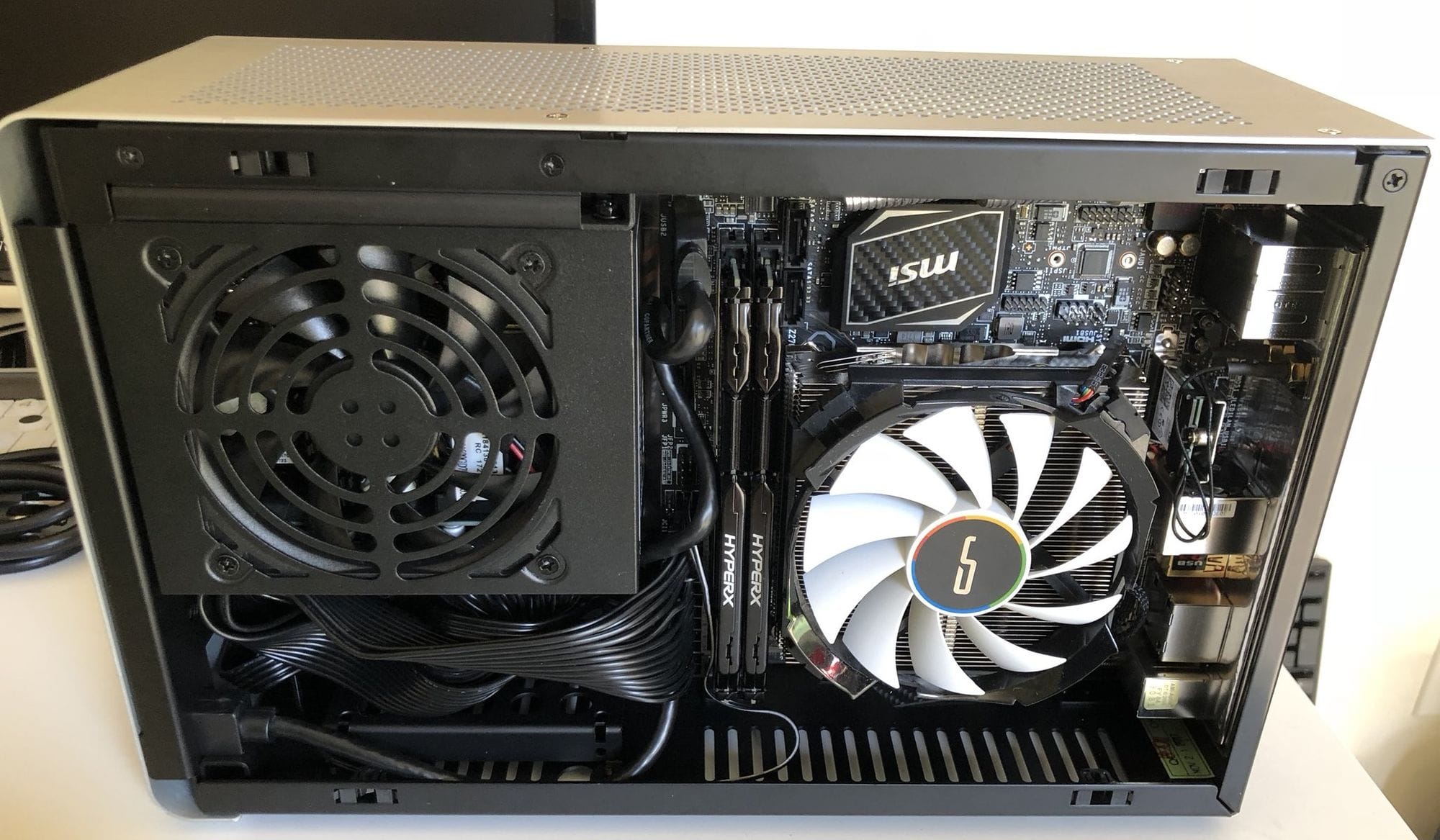
Which SFF cases are featured, and how do they compare?
The construction compares several mini-ITX cases, but two stand out: Dan A4 SFX and Streacom DA2. The Dan A4 SFX is a marvel of space efficiency at only 7.3 liters (200x115x317 mm). It barely fits a full-sized GPU, SFX power supply, and a low-profile CPU cooler. In contrast, the Streacom DA2 is larger at 17.5 liters (180x286x340 mm), offering more room for cooling and fans. Other cases like the Silverstone RVZ02 (12.2L) and nCase M1 (12.6L) sit in between. For perspective, a PS4 Pro is 5.3L and Xbox One S is 4.3L, so even the Dan A4 delivers about 50% more volume for over double the performance. The choice boils down to whether you prioritize absolute minimal size (Dan A4) or thermal headroom (Streacom DA2).
How small can you really go with standard parts?
The Dan A4 SFX pushes the limits of what's possible with off-the-shelf components. At 7.3 liters, it's one of the smallest cases that accommodates a standard mini-ITX motherboard, an SFX power supply, and a full-length dual-slot GPU. However, the CPU cooler height is severely restricted to around 48mm, limiting you to low-profile coolers like the Cryorig C7 or Noctua L9i. This constrains thermal performance for high-end CPUs. The author notes that for extremely powerful CPUs and GPUs, the Dan A4 feels too cramped, which is why he switched to the larger Streacom DA2. So, while you can build a very small system, you may sacrifice cooling unless you choose components with lower TDP or use custom water cooling, which isn't always feasible. The sweet spot for most builders is around 12-17 liters.
What components were chosen for the Streacom DA2 build?
The author's personal build in the Streacom DA2 is a powerhouse: an Intel i9-9900KS (8 cores, 16 threads, 5.0 GHz), 64GB DDR4-3000 memory, and an NVIDIA GeForce RTX 2080 Ti. Storage includes a Samsung 970 PRO 1TB, 970 EVO 2TB, and an 860 QVO 4TB SATA drive. Cooling is handled by a Cryorig H7, which fits exactly in the DA2's more generous CPU cooler clearance. This system represents a significant upgrade from his previous machine (i7-7700K), doubling the cores, memory capacity, and M.2 slots. The DA2's hybrid open-air design with top and bottom vents allows for adequate airflow, especially after removing the acrylic dust filter pieces. The result is a compact system that competes with any full-tower gaming rig.
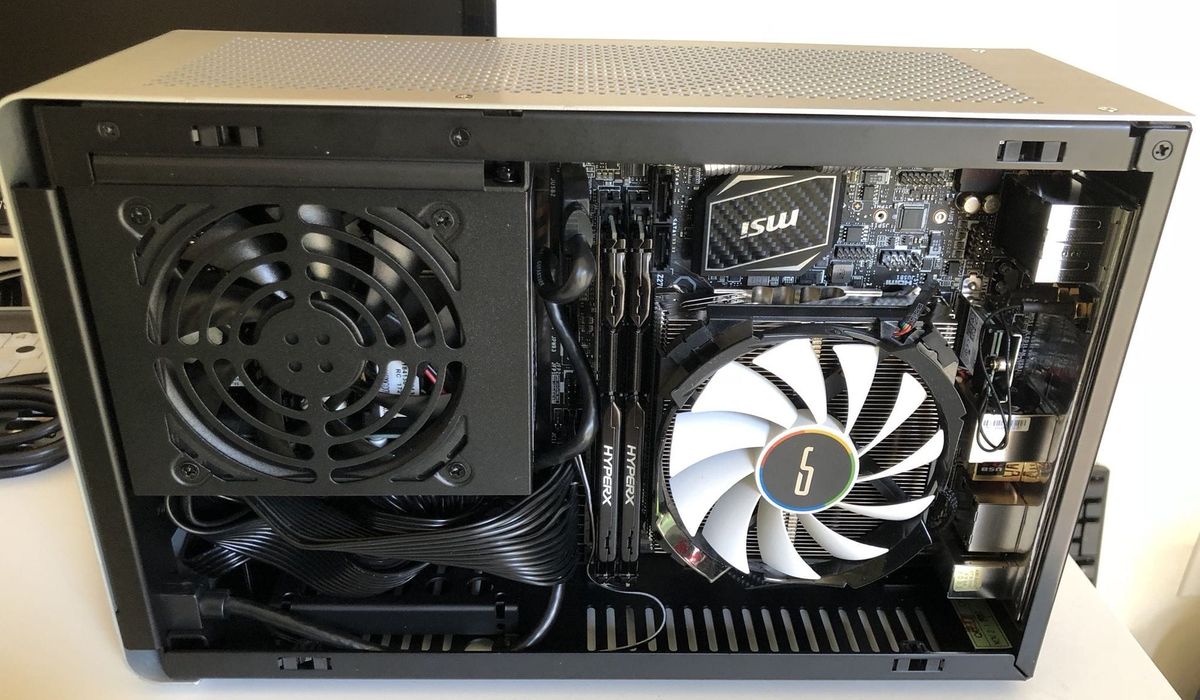
What are the key differences between Dan A4 SFX and Streacom DA2?
Size is the obvious difference: Dan A4 SFX is 7.3 liters, Streacom DA2 is 17.5 liters. But the impact goes deeper. The Dan A4 SFX is more refined and minimalist, with a straightforward layout that leaves little room for error. It forces you to choose low-profile coolers and possibly sacrifice CPU performance. The DA2, while less perfect in execution, offers versatility: a horizontal and vertical bracket system that supports multiple fan placements, larger CPU coolers (up to 145mm), and even water cooling options. The DA2 also has a hybrid design with mesh panels that improve airflow when the top and bottom acrylic pieces are removed. The author found dramatically better temperatures after doing that. In summary, the Dan A4 is for those who want the smallest possible build, while the DA2 suits builders who need more thermal headroom and flexibility.
How does the Streacom DA2's mounting system work?
The DA2 features a unique hybrid open-air design with a versatile bracket and nut-and-bolt system. Inside, you can adjust the positions of the power supply, storage drives, and even the motherboard tray to some extent. The manual shows multiple bracket mounting options, letting you install extra fans or radiators. The captured nuts and bolts make assembly and modification easy without losing hardware. The top and bottom panels include acrylic pieces with mesh dust nets; popping them out significantly improves airflow, as the author experienced. This system allows the DA2 to accommodate larger components than its size suggests, making it a favorite for SFF enthusiasts who want to pack top-tier hardware.
What performance gains did the author see over his old system?
Compared to the previous 2015-2017 system, which used a slightly overclocked i7-7700K, the new Streacom DA2 build delivers impressive improvements. The i9-9900KS offers double the cores and threads (8C/16T vs 4C/8T), plus higher clock speeds and IPC. Memory jumped from 32GB to 64GB, and storage now includes two M.2 slots instead of one. The RTX 2080 Ti provides a substantial graphics uplift. While exact benchmark numbers aren't given, the description suggests roughly 2x performance in multi-threaded tasks and significant improvements in gaming. All this in a case that's a fraction of the size of his old tower, proving that downsizing doesn't mean sacrificing power—if you choose the right components and case.