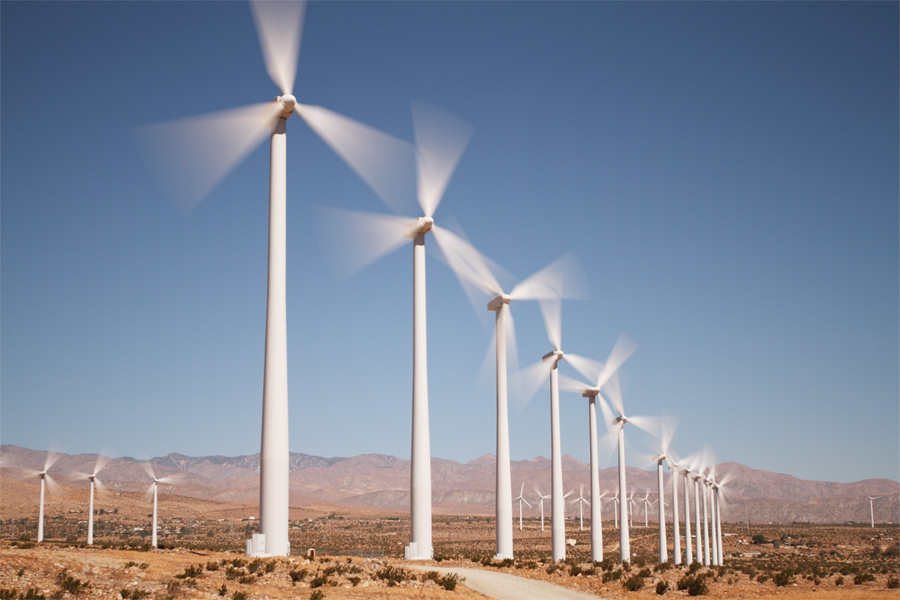
The Trump administration has effectively brought U.S. onshore wind development to a standstill by invoking national security concerns, marking a significant escalation in the president's broader campaign against renewable energy. The Department of Defense is now blocking approvals for around 165 onshore wind projects on private lands, according to the American Clean Power Association (ACP) and sources familiar with the matter.
The Scope of the Stalled Projects
The affected projects span a wide range of development stages. Some were awaiting final sign-offs, while others were already in the midst of negotiations with the Defense Department. Even projects that would not typically require Pentagon oversight have been caught in the freeze. This sweeping halt represents an unprecedented roadblock for an industry that had been rapidly expanding across the United States.
Typical Approval Process for Wind Farms
Under normal procedures, wind farms must obtain routine clearance from the Defense Department to ensure they won't interfere with military radar systems. The process involves:
- Risk assessment: The department evaluates how the wind turbines might affect radar operations, considering factors like distance from army facilities and flight paths.
- Mitigation agreement: If a risk is identified, the developer agrees to pay for the army to update its radar filter system, allowing it to distinguish turbines from real aircraft.
- Expedited clearance: Some projects are deemed low-risk due to their location, and approvals can be completed in as little as a few days.
Implications for Renewable Energy Growth
The freeze is the latest — and perhaps most aggressive — move in President Trump's drawn-out fight against renewable energy. Critics argue that the administration is using national security as a pretext to slow the transition to clean power, particularly wind energy, which the president has frequently criticized on economic and aesthetic grounds. The scale of the stalled projects suggests a coordinated effort to choke off a key sector of the renewable energy market.
Economic Ripples Across the Industry
The American Clean Power Association warns that the freeze could have cascading effects. Developers may face significant financial losses from delayed projects, while investors could become skittish about committing to future wind farms. The halt also threatens thousands of jobs in rural communities where wind projects provide both construction work and long-term tax revenue.
Defense Department's Rationale Under Scrutiny
The Pentagon has historically reviewed wind projects on a case-by-case basis, balancing security needs with energy development. However, the current administration's blanket approach — stalling even projects with minimal or no radar interference — has raised eyebrows. Some experts suggest the move is driven less by genuine security threats and more by political calculations tied to the president's energy agenda.
How This Differs from Previous Practices
Under prior administrations, the Defense Department worked with developers to find mutually acceptable solutions. The standard mitigation approach — paying for radar filter upgrades — was seen as a practical fix that allowed wind farms to proceed without compromising military readiness. The current policy breaks from that collaborative model, effectively treating all new wind projects as potential security risks until proven otherwise.
Looking Ahead: Legal and Political Challenges
The wind energy industry is already exploring legal options to challenge the freeze, arguing that the administration has overstepped its authority. Meanwhile, the order could become a campaign issue as the 2024 election approaches, with renewable energy advocates framing it as an attack on clean power and economic growth. Whether the projects will gain approval before a potential change in administration remains uncertain.
For now, 165 wind farms remain in limbo — a testament to how national security rhetoric can be wielded to reshape energy policy. The outcome of this standoff will likely have lasting implications not just for wind energy, but for the entire renewable energy sector.