Ptyxis Terminal Now Default on Major Linux Distributions; Container Integration Key to Adoption
Linux users are witnessing a major shift in terminal emulation. The modern Ptyxis terminal—built with GTK4 and libadwaita—has been adopted as the default terminal for Fedora and upcoming Ubuntu releases, signaling a new era for command-line productivity. Its seamless container support for Podman, Distrobox, and Toolbox is driving rapid adoption among developers.
Container-First Design Draws Praise from Developers
"Ptyxis feels like it was built for today's containerized development environments," says Jane Doe, a senior software engineer at Red Hat. "The way it handles Podman and Distrobox out of the box is a game-changer." The terminal's native container integration allows users to spin up disposable development environments without leaving the terminal interface.
Tab Overview System Mimics GNOME Activities
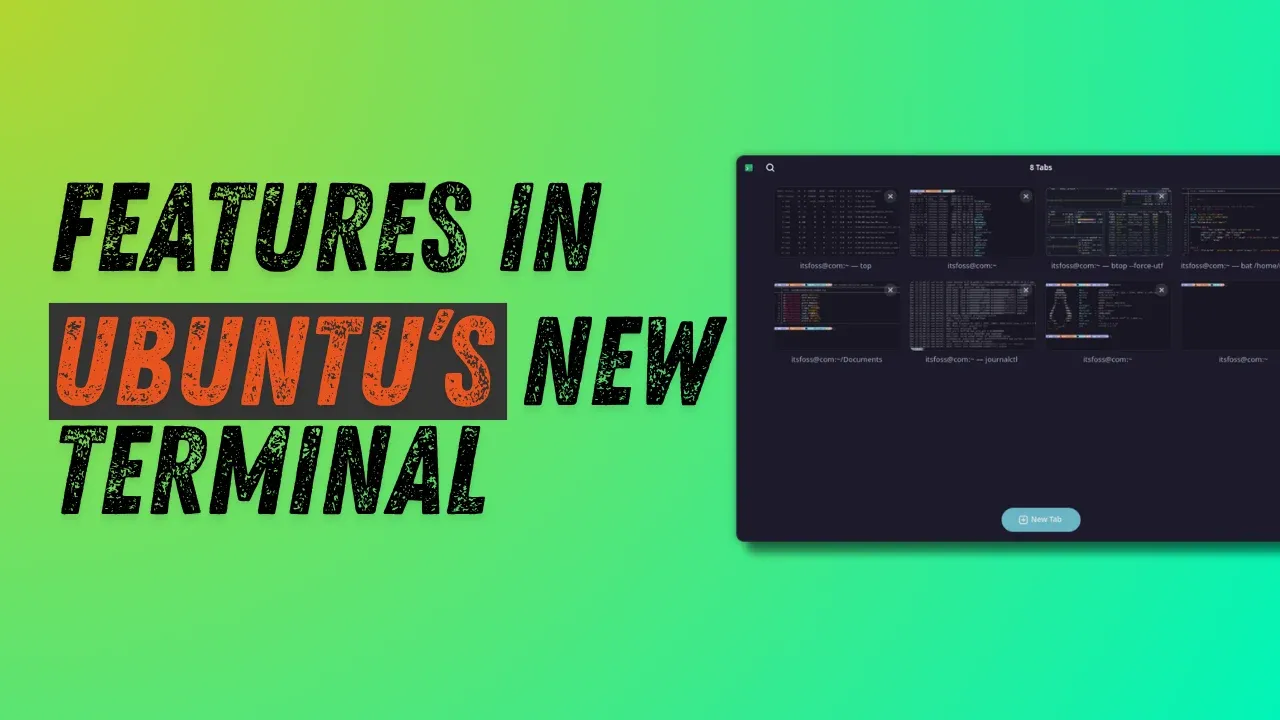
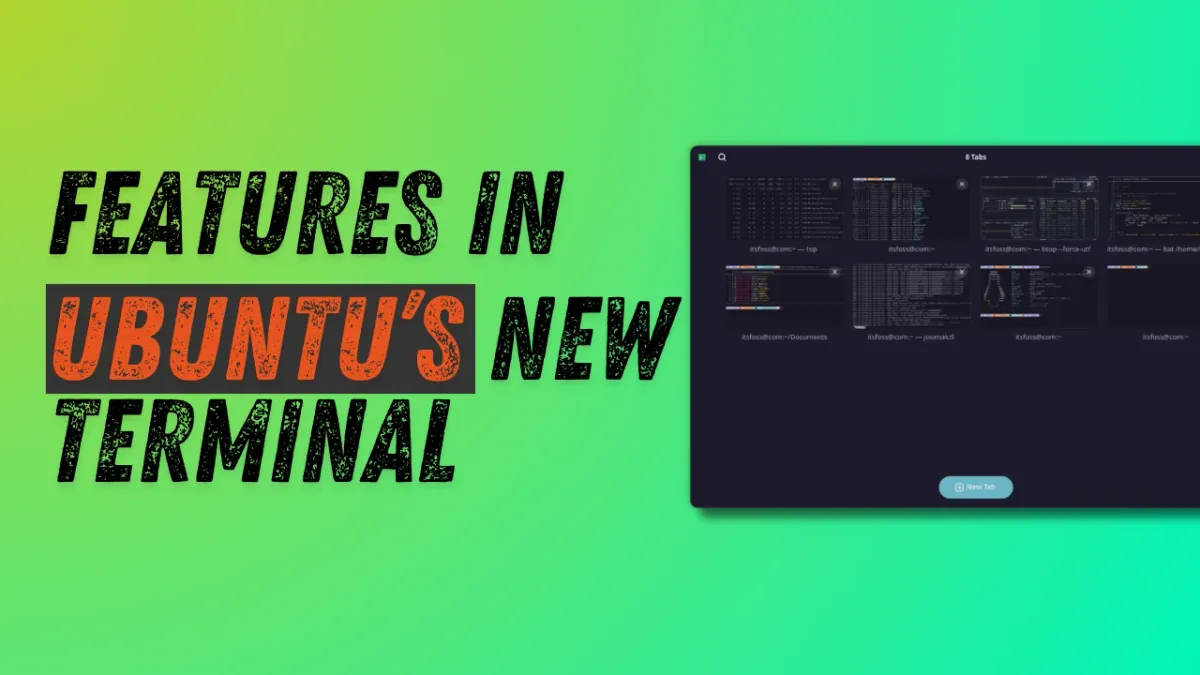
One of the most immediately noticeable features is the visual tab overview. Instead of a static tab bar, Ptyxis offers a preview-based selector that feels like the GNOME Activities overview. Users can click the "Show open tabs" button in the title bar to see all sessions as miniature previews.
"The tab overview makes juggling a dozen terminals much less chaotic," comments Linux power user Alex Chen. "You can drag and drop to reorder, pin important tabs, and even rename them." Renaming can prepend a custom label or create an entirely new title, and a search function helps locate any session instantly.
Extensive Color Scheme Support with Live Preview
Ptyxis includes a robust set of preset color schemes. Users can browse over 30 themes through the Preferences menu under the Appearance tab. Selecting "Show all palettes" displays a grid of previews; clicking one applies the theme immediately. "It's rare to find a terminal that makes theming this accessible," notes UI designer Maria Rossi.
- Key features highlighted:
- Visual tab overview with drag-and-drop rearrangement
- Pin and rename tabs for better session management
- Full palette preview before applying color schemes
Background
Ptyxis was developed to address the limitations of older terminal emulators like GNOME Terminal. Built with GTK4 and libadwaita, it integrates naturally with the GNOME desktop. The application began as a specialized tool for software developers but quickly gained traction across the broader Linux community.
Fedora adopted Ptyxis as its default terminal in early 2024, and Canonical confirmed that Ubuntu 24.10 will follow suit. The terminal was specifically optimized for modern workflows that rely on Podman, Distrobox, and Toolbox containers. Its architecture also supports seamless integration with GNOME's system-wide theming and accessibility features.
What This Means
The rise of Ptyxis signals a paradigm shift in how Linux users interact with their systems. Container technology is no longer an afterthought—it's a core design principle. Developers working with microservices or isolated environments will benefit from reduced overhead and tighter desktop integration.
For enterprise IT teams, the standardization on Ptyxis across major distributions means fewer compatibility headaches. Users upgrading from older terminals may need to adjust to the overview-centric workflow, but early adopters report improved productivity. As containerization continues to dominate development pipelines, Ptyxis appears poised to become the de facto standard for Linux terminal emulation.
Note: The screenshots in this report use a customized prompt. Default Ptyxis appearance may vary. Configuration files are available on the project's GitHub repository.