A groundbreaking clinical trial has revealed that even the most aggressive, high-tech hydration program—featuring smart water bottles, personalized reminders, coaching, and financial rewards—does not prevent recurring kidney stones. The study, published today, challenges the long-held medical assumption that simply drinking more water is the key to stopping these painful episodes.
"We were surprised and disappointed," said Dr. Elena Marchetti, lead author of the study at the University of Colorado. "We threw everything at these patients—sensors, apps, incentives—and still saw no significant reduction in stone recurrence compared with standard advice." The trial followed more than 1,200 patients for three years.
The Study: What Happened
Participants were split into two groups. One received a state-of-the-art hydration system that tracked daily intake via a connected water bottle, sent smartphone reminders, provided one-on-one coaching, and offered cash payments for meeting hydration goals. The other group received standard care: a brochure urging them to drink more water.
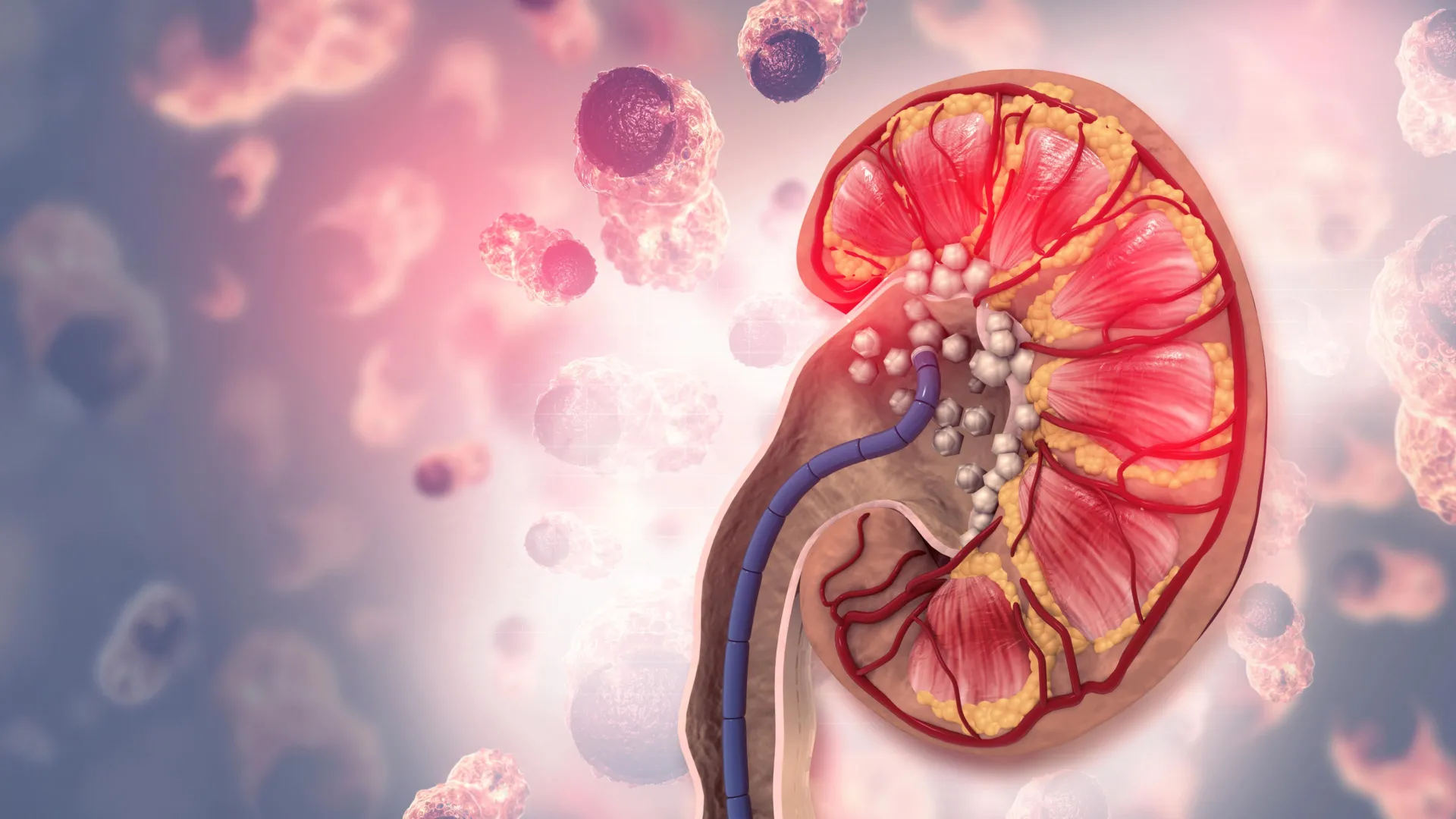
Despite the intervention group drinking, on average, 2.5 liters more water per week than the control group, kidney stone recurrence rates were nearly identical. "This suggests that water alone isn't enough," said Dr. Marchetti. "We may need to rethink how we approach prevention."
Background
Kidney stones affect one in ten people at some point in their lives, and about half of first-time sufferers will experience a recurrence within five years. Current medical guidelines universally recommend increasing water intake as a simple, cheap preventive measure.
The logic is straightforward: more water dilutes the urine, reducing the concentration of stone-forming minerals. But the new study suggests that other factors—diet, genetics, and possibly the timing of water intake—may play a far larger role than previously thought.
What This Means
For patients, the takeaway is not that hydration is useless, but that it must be part of a broader strategy. "We need to move beyond 'just drink more water' as the only advice," said Dr. Marchetti. "This trial shows that while water helps, it is not a magic bullet."
Clinicians are now calling for more personalized prevention plans that account for individual urine chemistry, dietary habits, and metabolic risk factors. The study also underscores the need for further research into non-hydration-based interventions, such as medications and diet modifications.
Expert Reaction
"This is a paradigm shift," said Dr. James O'Leary, a nephrologist at Johns Hopkins University who was not involved in the study. "For decades we've told patients to drink more water, and it turns out that approach has limitations. The study was incredibly well-designed, and the results are robust."
He added that the financial incentives and high-tech tools were aimed at making hydration effortless. "If that doesn't work, we need to ask deeper questions about what drives stone formation." Dr. O'Leary emphasized that patients should still maintain adequate hydration, but not rely on it solely.
The study also found that even participants who dramatically increased their water intake still formed stones if they had high levels of oxalate or calcium in their urine. "That's a clear signal that diet matters more than volume alone," noted Dr. Marchetti.
What's Next?
Researchers plan to analyze the urine samples from the trial to identify which specific biochemical profiles predict recurrence despite high hydration. Meanwhile, the American Urological Association has announced it will review its guidelines in light of these findings.
"This is a call to action," said Dr. O'Leary. "We need smarter, not just more, prevention. The era of one-size-fits-all hydration advice for kidney stones is over."
For now, patients are advised to follow their doctor's recommendations, but to be aware that water alone may not be enough. The findings are published in the New England Journal of Medicine.