A Major Step Forward at Starbase
SpaceX has once again pushed the boundaries of aerospace engineering by stacking its Starship V3 spacecraft atop a Super Heavy booster at the company’s newly developed Starbase launch complex in Boca Chica, Texas. The towering assembly now stands ready for the rocket’s 12th test flight, a mission that aims to validate critical systems ahead of operational use.
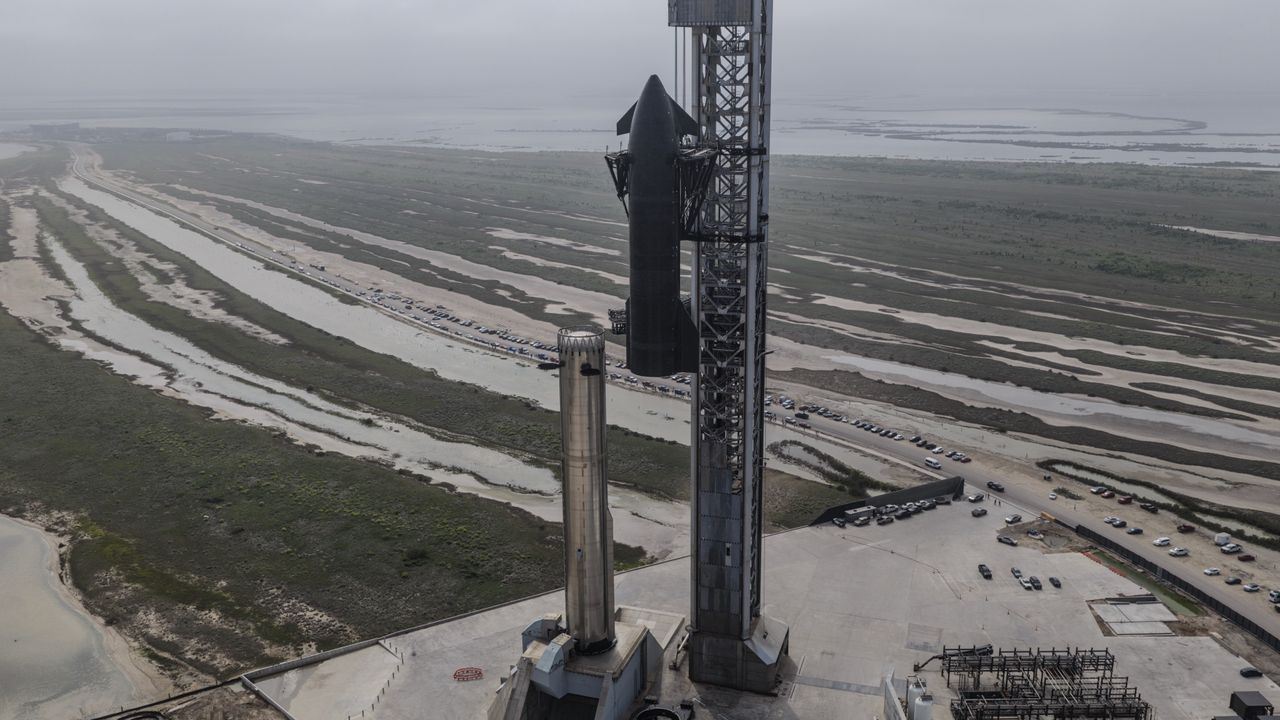
The stacking process—carefully lifting the 50-meter Starship onto the 70-meter Super Heavy—was completed in a matter of hours. Shortly after, the integrated vehicle underwent a comprehensive fueling test, simulating the cryogenic propellant load it will experience during launch. This test is crucial for ensuring that both the vehicle’s tanks and ground support equipment can handle the extreme pressures and temperatures of liquid methane and liquid oxygen.
Stacking the Giant: Precision and Power
The Starship V3 represents SpaceX’s latest iteration of the fully reusable spacecraft. With improved heat shield tiles, upgraded Raptor engines, and enhanced life-support systems for crewed missions, this version is designed to be more robust than its predecessors. The Super Heavy booster, equipped with 33 Raptor engines, provides the raw thrust needed to lift the combined mass off the pad.
Stacking such a colossal vehicle requires extraordinary precision. Teams use a specialized crane and a stacking tower—often called the “launch mount”—to carefully align the two stages. Each step is monitored by a suite of sensors that detect any misalignment or stress. This process, while routine for SpaceX engineers, remains one of the most visually impressive feats in modern rocketry.
Fueling Test: Validating Propellant Systems
Following the stacking, SpaceX performed a wet dress rehearsal—a full fueling test that stops just short of ignition. During this test, propellant tanks on both the Starship and Super Heavy are filled to flight-like levels, and ground support systems are activated to simulate launch conditions. Engineers then monitor:
- Temperature and pressure readings across all tanks and lines
- Valve and pump operations for liquid methane and liquid oxygen
- Structural integrity of the vehicle under cryogenic loads
- Ground equipment performance, including chilldown and venting systems
“Successfully completing this test is a green light for flight preparations,” noted a recent SpaceX update. Any anomalies detected during the fueling test are addressed before the vehicle is cleared for its launch attempt.
The Significance of Flight 12
The upcoming 12th test flight of the combined Starship and Super Heavy system is not just another incremental milestone. Previous flights have demonstrated stage separation, booster recovery attempts, and in-space engine relights. For Flight 12, the primary objectives are expected to include:
- Testing the new heat shield design on Starship V3 during reentry
- Attempting a controlled landing of the Super Heavy booster on the launch mount
- Demonstrating propellant transfer capabilities between Starship tanks—a key requirement for future lunar missions
- Validating the updated avionics and flight software for orbital operations
Each test builds upon the last, bringing SpaceX closer to a fully reusable system that can drastically reduce the cost of space access. The V3 variant is specifically tailored for long-duration missions, including cargo deliveries to the Moon and Mars.
Starbase: SpaceX’s Custom Launch Complex
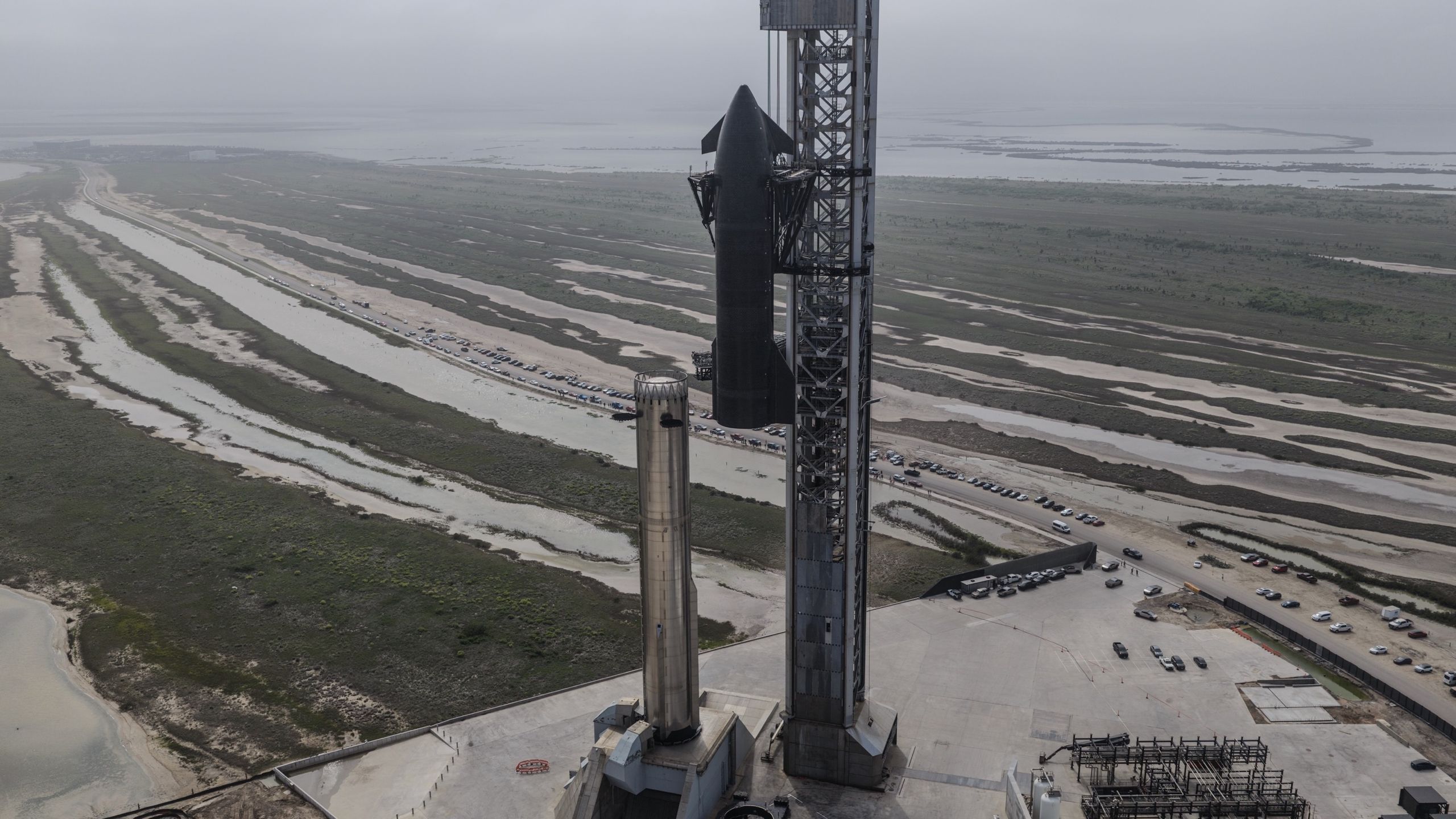
The site of this milestone—Starbase—is SpaceX’s dedicated development and launch facility. Unlike Cape Canaveral or Vandenberg, Starbase was built from scratch to accommodate the unique requirements of a super-heavy rocket. The sprawling complex includes a horizontal integration facility, a launch mount with flame trench, and a growing array of test stands.
“Starbase allows us to iterate quickly,” SpaceX CEO Elon Musk has explained. “We can build, test, and fly in a single location, cutting months off the traditional development timeline.” This rapid iteration is evident in the V3’s evolution: while earlier Starships had numbers of engines and heat shield configurations, the V3 consolidates lessons learned from previous flights.
Looking Ahead: From Test Flights to Operational Missions
With the fueling test complete and the vehicle stacked, the next major step is a static fire test, where the Super Heavy’s 33 engines are ignited while the rocket remains anchored. If that goes well, SpaceX will set a date for the 12th test flight—possibly within the next few weeks.
Beyond Flight 12, SpaceX has ambitious plans. The Starship V3 is destined to carry cargo to the lunar surface under NASA’s Artemis program, and later, to support crewed missions to Mars. Each successful test flight increases confidence in the system’s reliability and reduces the risk for these high-stakes missions.
As the aerospace community watches closely, one thing is clear: Starship V3’s stacking and fueling test mark another chapter in SpaceX’s relentless pursuit of making life multi-planetary. With the 12th flight on the horizon, the world will soon see whether the largest rocket ever built is ready for its next leap.
For further details, see our coverage of previous milestones and the upcoming Flight 12 objectives.