For years, Google Photos was the undisputed champion of smartphone photo management—free, unlimited, and virtually maintenance-free. But since Google ended its free unlimited storage policy in 2021, many users have been searching for a replacement that doesn't come with a monthly subscription fee. While traditional NAS setups and platforms like Immich have become popular, there's an unexpected hero hiding in your drawer: an old Pixel smartphone. This article explores how a Pixel can be repurposed into a high-performance, battery-powered Linux server for self-hosting your photos, with all the convenience of a cloud service but none of the ongoing costs.
Why Did Google Photos Stop Being the Best Choice for Photo Storage?
Google Photos offered an unbeatable combination for nearly a decade: automatic backup, intelligent search, and unlimited storage at no cost. It was the ultimate "set it and forget it" solution for smartphone photographers. However, in June 2021, Google ended its free unlimited storage policy for high-quality photos. Users now must pay for Google One subscriptions to store anything beyond the 15 GB shared across Drive, Gmail, and Photos. This change made the service no longer the obvious choice for anyone who wants to avoid recurring fees. The nostalgic days of worry-free, unlimited uploads are over, forcing users to reconsider their long-term photo management strategy.
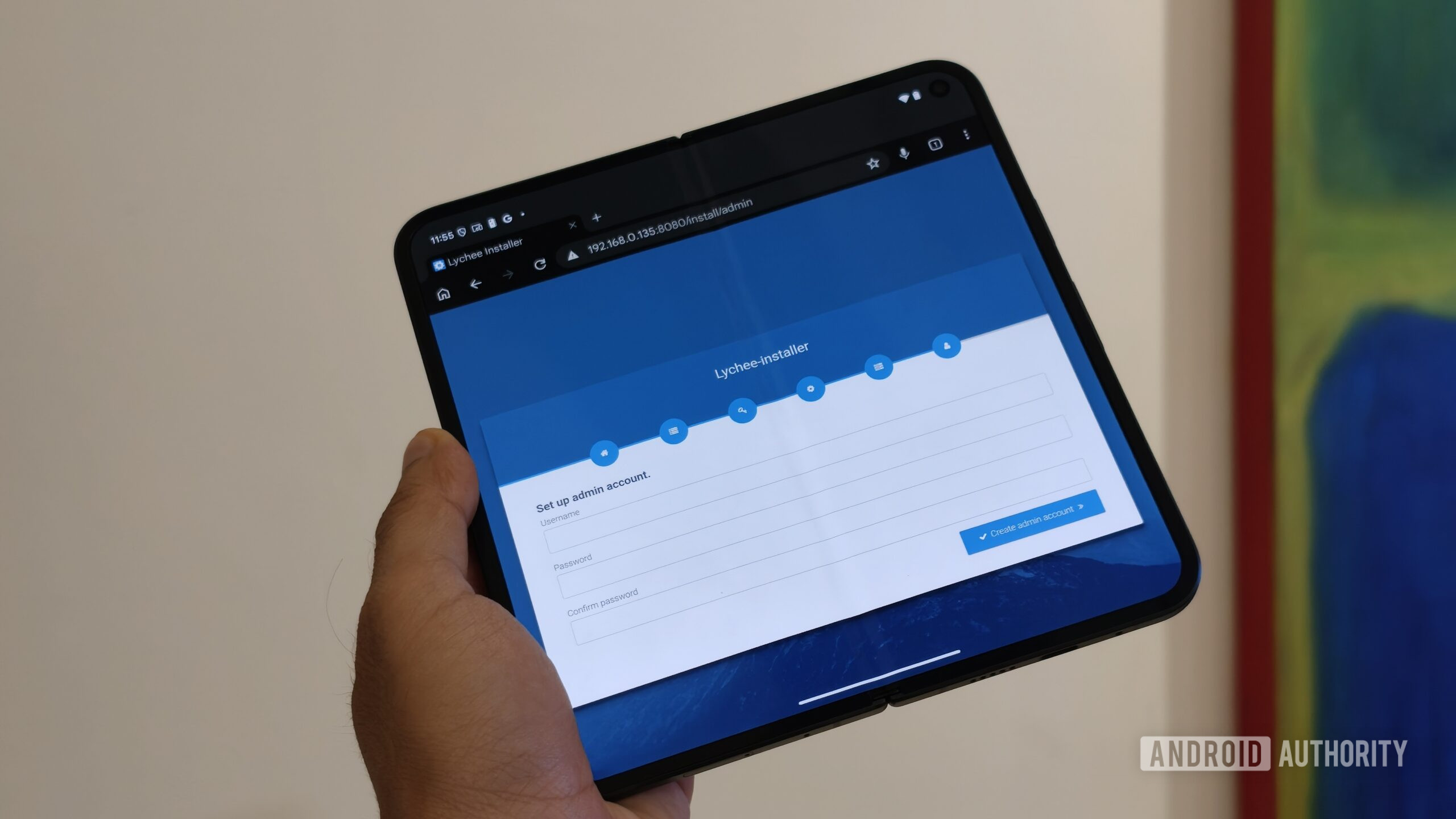
What Inspired the Idea of Using an Old Pixel as a Self-Hosted Photo Server?
The author had already explored traditional NAS solutions and self-hosted platforms like Immich to escape the Google Photos tax. But while looking at an old Pixel phone gathering dust in a desk drawer, a lightbulb moment occurred: that device is essentially a high-performance, battery-powered Linux computer. Pixels, especially older models like the Pixel 1–5, have excellent cameras, efficient processors, and built-in storage. Plus, many Pixel models still offer free unlimited original-quality photo uploads to Google Photos (though with caveats). The idea was to repurpose the old phone as a dedicated home server that could automatically back up photos from other devices, run self-hosted photo management software, and consume very little power compared to a traditional NAS.
How Can a Pixel Smartphone Function as a Self-Hosted Photo Server?
A Pixel can be transformed into a capable home server by installing a custom Android ROM or using a Linux deploy app to run a lightweight server OS. Once set up, software like Immich or Nextcloud can be installed to handle automatic photo backups, organization, and sharing. The Pixel's battery acts as an uninterruptible power supply (UPS) for short outages, and its small size means it can sit unobtrusively on a shelf. With a constant Wi-Fi connection and a USB cable for power, the Pixel can run 24/7, syncing photos from other smartphones, cameras, or computers. It can also serve as a network-attached storage (NAS) device accessible from anywhere via a reverse proxy or VPN. The result is a low-cost, low-power alternative to a dedicated NAS that uses hardware you probably already own.
What Self-Hosted Alternatives Did the Author Try Before Using the Pixel?
Before discovering the Pixel solution, the author experimented with several self-hosted platforms. The primary one was Immich, a modern, open-source photo backup and sharing tool that mimics Google Photos' interface. They also set up a traditional NAS (network-attached storage) server using a Raspberry Pi or old PC running software like Nextcloud or Syncthing. While these worked, they came with drawbacks: NAS devices can be expensive, power-hungry, and require networking knowledge. The Pixel approach offered a more elegant solution because it combined a built-in UPS, a capable processor, and a compact form factor. Additionally, the Pixel could leverage Google's original-quality upload benefit (for older models) as a secondary backup, making the setup both redundant and cost-effective.
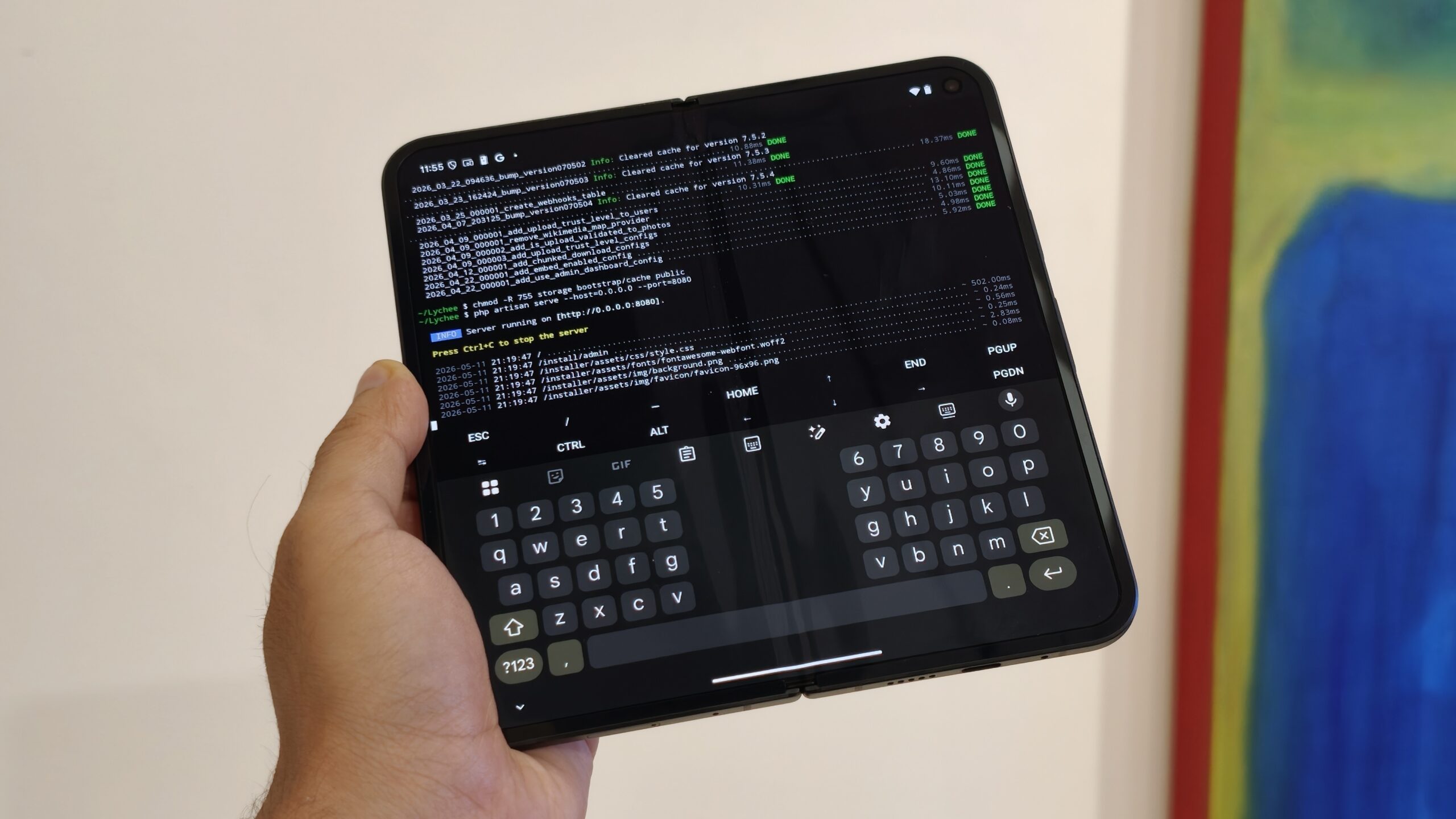
What Are the Key Benefits of Using an Old Pixel Instead of a Dedicated NAS for Photo Storage?
Using an old Pixel as a self-hosted photo server offers several advantages over a traditional NAS. First, cost: the Pixel is already owned, so no additional hardware purchase is needed, whereas a NAS device can cost hundreds of dollars. Second, power consumption: a Pixel draws only a few watts, compared to a NAS which may draw 15–30 watts continuously. Third, built-in battery backup: the Pixel's battery provides short-term power during outages, protecting data integrity. Fourth, portability: the Pixel can easily be taken on trips or moved to a different location. Fifth, Google Photos integration: if the Pixel is an older model (e.g., Pixel 1), it can still upload unlimited original-quality photos to Google Photos, serving as an off-site backup. Finally, the setup is surprisingly simple—just install a server app and configure auto-upload.
What Steps Are Required to Set Up a Pixel as a Self-Hosted Photo Server?
Setting up a Pixel as a photo server involves several straightforward steps. First, choose an old Pixel model (Pixel 1–5 are ideal). Factory reset the phone and ensure it's on a stable Wi-Fi network. Next, enable Developer Options and USB debugging. Then, decide whether to use a custom ROM (like LineageOS) or a Linux deploy app (like UserLAnd or Termux). For a simpler approach, install Immich via its Android companion app, which turns the Pixel into a server that other devices can upload to. Alternatively, install Nextcloud using a Linux environment. After setting up the server software, configure auto-upload from your primary phone or camera. Finally, set up remote access (through a reverse proxy like DuckDNS or a VPN) so you can access photos from anywhere. Detailed tutorials are available online for each method.