In a move that seems timed to steal the spotlight, Google unveiled its Gemini Intelligence suite on May 12, 2026, just weeks before Apple's WWDC 2026 kicks off on June 8. The announcement positions Google as a direct competitor in the AI race, but skepticism lingers over whether either tech giant can truly deliver on their ambitious promises. Below, we break down the key questions surrounding these developments.
What is Gemini Intelligence and when was it announced?
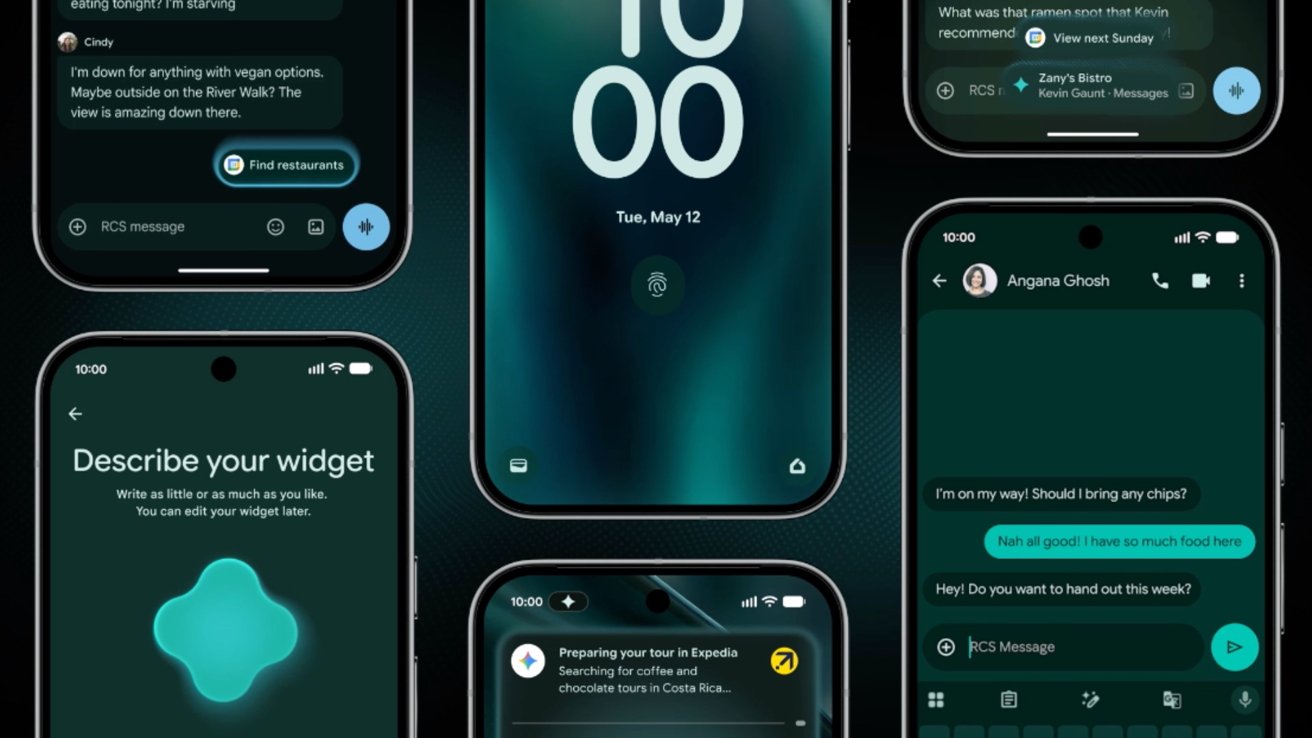
Gemini Intelligence is Google's latest collection of artificial intelligence features, announced during a live-streamed event on May 12, 2026. The suite aims to integrate AI deeper into Google's ecosystem, enhancing tools like Search, Assistant, and Workspace with more natural language understanding and proactive suggestions. Unlike previous iterations, Gemini Intelligence focuses on contextual awareness—learning from user habits to offer personalized support across devices. The timing is notable: it lands less than a month before Apple's Worldwide Developers Conference (WWDC) on June 8, where Apple is expected to unveil its own AI upgrades under the Apple Intelligence banner. Google's early move suggests an attempt to capture user attention before Apple's big moment.
Why did Google choose to announce Gemini Intelligence just before Apple's WWDC?
Google's announcement on May 12, 2026, is strategically timed to preempt Apple's WWDC 2026, scheduled for June 8. By unveiling Gemini Intelligence first, Google aims to define the AI conversation on its own terms and potentially lure early adopters away from Apple's ecosystem. Historically, both companies have used pre-WWDC announcements to set expectations and mitigate the impact of Apple's keynote. This year, the AI arms race is particularly fierce, with each company vying to claim leadership in on-device intelligence and privacy-preserving AI. However, the move also carries risks: if Google's features fail to impress, Apple could easily overshadow them with a more polished rollout at WWDC.
How does Gemini Intelligence compare to Apple's Siri and upcoming Apple Intelligence?
Gemini Intelligence emphasizes cross-platform integration, aiming to work seamlessly across Android, Chrome, and Google Workspace, similar to how Apple Intelligence is expected to unify Siri, iMessage, and macOS. Both systems promise greater personalization and context awareness. Yet, key differences exist: Google leverages its vast data advantage for training, while Apple emphasizes on-device processing for privacy. Early demos of Gemini Intelligence showed improvements in natural language search and task automation, but lacked the tight hardware-software integration Apple achieves with its custom chips. Without concrete benchmarks, it's unclear which approach will feel more intuitive. Siri's current limitations may give Google an edge, but Apple's ability to refine software for its own devices often leads to smoother user experiences.
What are the main promises of Gemini Intelligence?
Google promises that Gemini Intelligence will revolutionize daily tasks by offering proactive assistance that anticipates user needs. Key features include:
- Enhanced Search: AI that understands multi-step queries and delivers direct answers.
- Smart Compose: Context-aware writing suggestions in Gmail and Docs.
- Adaptive Assistant: Learns routines and suggests actions (e.g., setting reminders for meetings).
- Privacy Controls: Granular settings for data sharing with on-device processing options.
Google claims these features will work across Android phones, Chromebooks, and smart home devices. However, critics note that similar promises for previous AI rollouts—like Google Assistant's Duplex—have been slow to materialize fully. The company has not yet provided a specific release date, only saying "later this year."

Why does the author doubt that either company can deliver on their AI promises?
The skepticism stems from historical overpromising in the AI space. Both Google and Apple have a track record of unveiling impressive demos during keynotes, only to delay or scale back features upon release. For example, Google's earlier efforts with Assistant capabilities often required specific devices or languages. Apple, meanwhile, has faced criticism for Siri's lack of intelligence compared to Alexa or Google Assistant. The complexity of contextual AI remains a hurdle: understanding nuanced human behavior across apps and services without sacrificing battery life or privacy is technically daunting. Additionally, neither company has revealed how they will handle data aggregation while maintaining trust. Without clear roadmaps or beta access, the author remains cautious about near-term impact. The risk of vaporware—products hyped but never fully delivered—looms over both announcements.
What can we expect from Apple at WWDC 2026 regarding AI?
Apple's WWDC 2026 keynote is expected to introduce Apple Intelligence, a suite of AI enhancements for Siri, iOS, and macOS. Rumors hint at deep integration with Safari reminders, and Health, allowing Siri to understand contextual commands like "remind me to buy milk when I'm near the grocery store." Apple will likely emphasize privacy, using on-device machine learning to process data without sending it to servers. The company may also unveil a new language model that runs on its latest A18 and M4 chips, improving real-time dictation and translation. However, history shows Apple often takes a more cautious, iterative approach compared to Google. The WWDC event, scheduled for June 8, will be the critical moment for Apple to demonstrate tangible progress, or risk falling behind in the AI race.