Introduction to GitHub Copilot CLI
GitHub Copilot CLI brings the power of an AI coding assistant directly into your terminal, helping you execute commands, explore codebases, and automate tasks without leaving the command line. Whether you're a novice or an experienced developer, understanding the two primary modes—interactive and non-interactive—is essential for maximizing productivity. This guide explains the differences, how to use each mode, and when to choose one over the other.
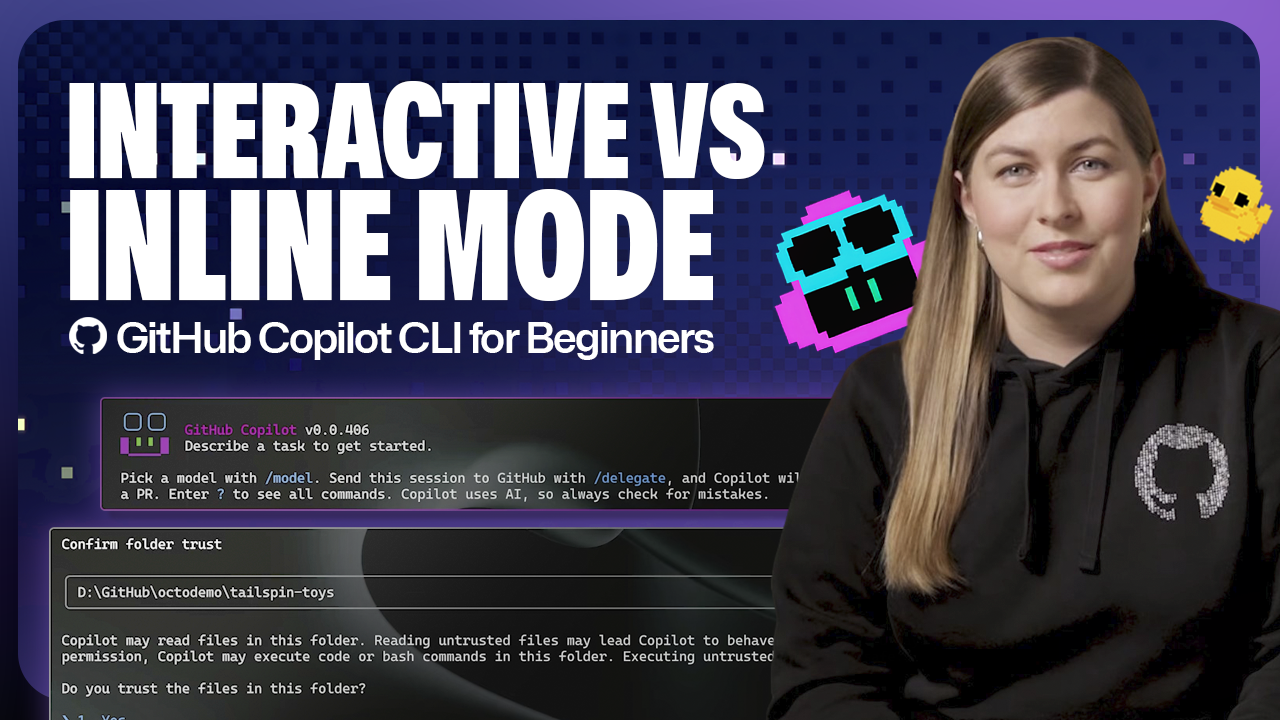
Interactive Mode: Conversational Exploration
Interactive mode is the default when you launch Copilot CLI with the copilot command. It creates a back-and-forth, chat-like session where you can ask questions, receive suggestions, and refine your requests in real time. This mode is ideal for tasks that require iterative discovery, such as understanding a project structure, debugging a complex issue, or brainstorming solutions.
How to Enter Interactive Mode
- Type
copilotin your terminal and press Enter. - Copilot may ask for permission to read and modify files in the current folder—grant this trust to enable full functionality.
- Ask a question, for example: "How do I run this project locally?"
- Copilot provides instructions. If you want it to execute the steps, you can say: "Can you run it for me?"
- Copilot will analyze your project and carry out the action, allowing you to review results and continue the conversation.
In interactive mode, you can experiment freely—ask follow-ups, request modifications, or dive deeper into specific areas—all within the same session. It's like having a pair programmer who never tires.
Non-Interactive Mode: Quick, One-Shot Prompts
Non-interactive mode is designed for speed and simplicity. Instead of starting a full session, you provide a single prompt directly in the command line and receive an immediate response. This mode is perfect for rapid queries, such as summarizing a repository, generating a code snippet, or integrating Copilot into automated scripts.
How to Use Non-Interactive Mode
- Ensure you're at the regular command line (if you're inside a Copilot session, type
exitor press Ctrl+C to leave). - Type
copilot -pfollowed by your prompt, for example: "Quickly summarize what this repository does and the key folders." - Copilot processes your request and displays the answer directly in the terminal, then exits.
Because there's no ongoing conversation, you get a focused result without any extra back-and-forth. This makes non-interactive mode ideal for automation and one-off commands where you already know exactly what you need.
Key Differences Between the Two Modes
- Session Length: Interactive mode persists until you exit; non-interactive mode runs and ends immediately.
- Dialogue Style: Interactive allows follow-up questions; non-interactive accepts a single prompt.
- Use Case: Interactive suits explorative, iterative work; non-interactive fits quick answers and scripts.
- Performance: Non-interactive is slightly faster because it skips the session overhead, but interactive provides richer context.
When to Choose Which Mode
Both modes have their strengths. Use interactive mode when you're uncertain about the next steps, need to collaborate with Copilot over multiple turns, or want to experiment with different approaches. Use non-interactive mode when you need a rapid, no‑fuss answer, or when embedding Copilot into a shell pipeline or cron job.

For example, if you're learning a new codebase, start an interactive session to ask questions like "What are the main entry points?" or "Show me the test structure." If you just want to know the disk usage of a directory, use non-interactive with copilot -p "How big is this folder in MB?".
Pro Tips for Copilot CLI
- Use clear, specific prompts for best results—vague questions yield vague answers.
- In interactive mode, you can ask Copilot to explain its reasoning: "Why did you suggest that command?"
- Non-interactive mode works great in shell scripts. For instance, you can pipe the output into other tools:
copilot -p "List all JavaScript files" | grep component. - Remember to trust the folder when prompted; otherwise, Copilot won't be able to read your project files.
Conclusion
GitHub Copilot CLI's dual modes empower you to work efficiently, whether you need a deep conversation or a lightning‑fast answer. By mastering both interactive and non-interactive modes, you can tackle any terminal task with confidence. Start experimenting today and see how Copilot transforms your command‑line experience.