Meta's Labyrinth protocol powers end-to-end encrypted backups for Messenger, ensuring message history remains private across devices. With version 1.1, a new sub-protocol dramatically improves reliability, preventing message loss during device switches, gaps in sign-ins, or even total device loss. Below, we answer key questions about this update, how it works, and what it means for your privacy.
What is Labyrinth?
Labyrinth is Meta's encrypted storage system and protocol designed to secure messages and history on Messenger. It provides end-to-end encrypted (E2EE) backups, meaning your message history can travel with you across devices without being readable by anyone else, including Meta. The protocol ensures that only you and the people you're communicating with can access the content. Introduced with encrypted backups for Messenger in 2023, Labyrinth set a new standard for large-scale E2EE messaging.
What problem does Labyrinth 1.1 solve?
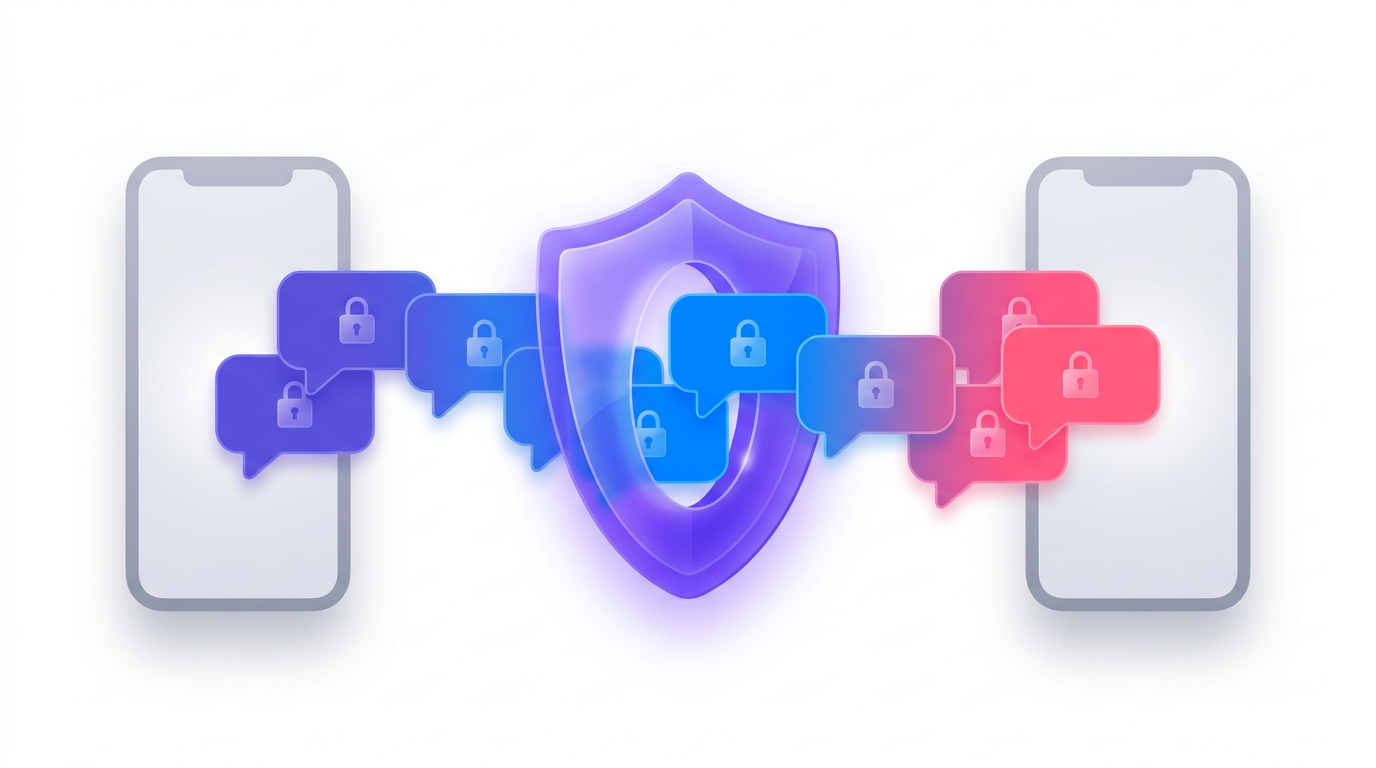
Previously, Messenger encrypted backups relied on your device coming back online to securely store incoming messages. If you lost your phone, switched devices, or had a long gap between sign-ins, some messages could be lost forever. Labyrinth 1.1 addresses this with a new sub-protocol that allows messages to be placed directly into your encrypted backup as they are sent, rather than waiting for your device to reconnect. This ensures that even if your device is unavailable, your full message history is preserved and can be restored when you next sign in.
How does the new sub-protocol work?
The core innovation is a message wrapping mechanism. When a sender sends a message, it is encrypted with a unique message encryption key. The sender then places that encrypted message directly into the recipient's encrypted backup – like dropping a sealed envelope into a locked box only the recipient can open. This happens in real-time, so the message is stored securely before the recipient even comes online. No intermediary, including Meta, can read the contents. The recipient's backup remains fully end-to-end encrypted, and the new sub-protocol seamlessly integrates with the existing Labyrinth architecture.
What are the key benefits for users?
The primary benefit is dramatically improved reliability. With Labyrinth 1.1, your messages survive:
- Loss of a device (phone lost or damaged)
- Switching to a new device
- Long gaps between sign-ins
How is this different from previous backup methods?
In earlier Labyrinth versions, messages were encrypted but could only be stored in the backup when the receiving device was online. If the device was offline (e.g., lost, broken, or not signed in for a while), messages would queue and might be dropped if the device never reconnected. Labyrinth 1.1 eliminates this risk by shifting the storage responsibility to the sender. The sender places the encrypted message directly into the recipient's backup server-side. This decouples backup from device availability, ensuring that no message is lost regardless of the recipient's device status.
Is Labyrinth 1.1 available now?
Yes. Meta is rolling out Labyrinth 1.1 broadly to Messenger. The update is being deployed server-side, so users don't need to take any action – improvements automatically benefit all Messenger users with encrypted backups enabled. Early data shows meaningful improvements in backup completeness and restoration success. To learn more about the technical details, read the updated white paper, “The Labyrinth Encrypted Message Storage Protocol”.
Where can I learn more?
For in-depth technical information, including the cryptographic specifications and protocol design, refer to the updated white paper published by Meta Engineering. The white paper explains the new sub-protocol in detail, including security proofs and performance measurements. Additionally, follow Meta Engineering's blog for future updates and related research on end-to-end encryption at scale.