Introduction
Around 540 million years ago, at the dawn of the Cambrian Period, Earth’s oceans teemed with life forms that seem both alien and strangely familiar. A remarkable fossil trove has recently come to light, offering an unprecedented glimpse into this ancient world. The discovery not only fills gaps in the fossil record but also challenges long-held assumptions about the pace and pattern of early animal diversification.
The Cambrian World: A Sea of Strangeness
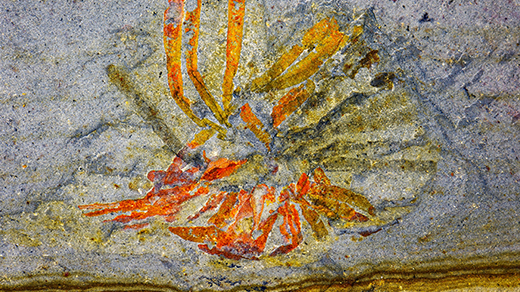
During the early Cambrian, the planet was predominantly covered by water. The seafloor was a bustling environment where small, phallic-looking worms burrowed through sediments, recycling nutrients. Above them, blind swimming creatures extended whip-like tentacles to capture prey. Early versions of mollusks and sponges clung to surfaces, while translucent jellyfish drifted in the currents. This ecosystem, preserved in exquisite detail in the new find, reveals a complexity far greater than previously imagined.
Key Organisms in the Fossil Assemblage
- Worms: Small, tubular creatures that played a crucial role in sediment turnover.
- Swimming predators: Blind, tentacled animals that used their appendages like fishing lines.
- Mollusks: Early hard-shelled forms hinting at the rapid evolution of protective structures.
- Sponges: Filter feeders that helped shape the seafloor habitat.
- Jellyfish: Soft-bodied organisms that represent some of the earliest free-swimming predators.
Implications for Evolutionary History
This Cambrian fossil treasure rewrites the timeline of animal evolution. Previously, scientists believed that the Cambrian explosion—a rapid burst of diversification—occurred over tens of millions of years. However, the new assemblage suggests that many animal body plans emerged much more quickly, perhaps within a few million years. This challenges the gradualist view and supports the idea of punctuated equilibrium, where evolution accelerates during periods of environmental change.
Exceptional Preservation Offers New Clues
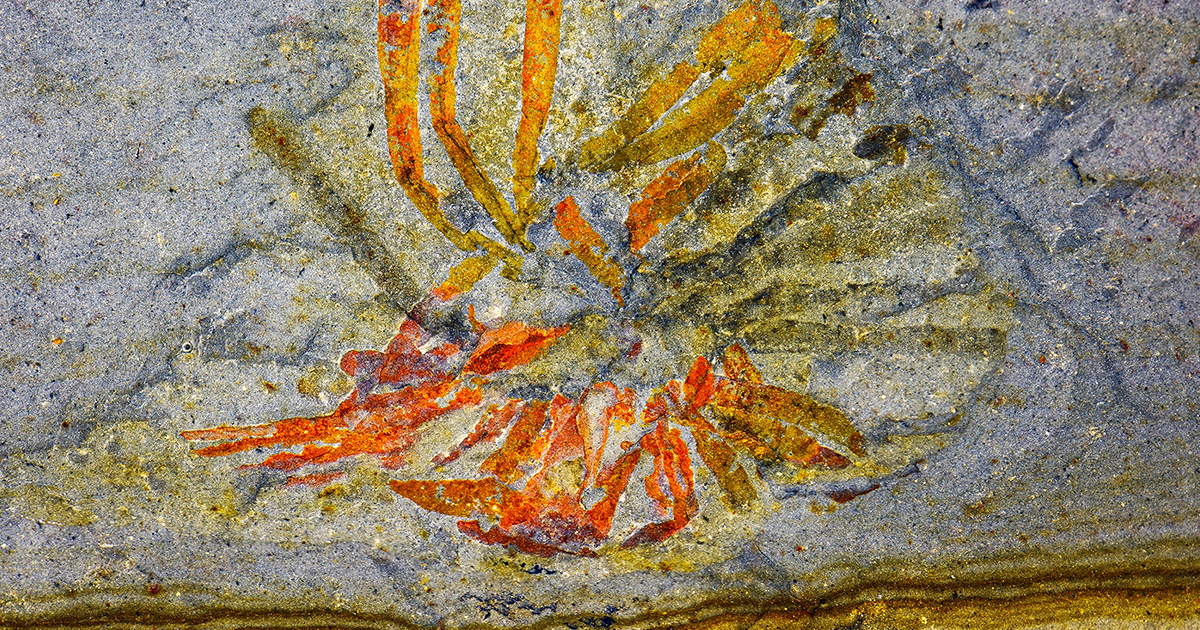
The fossils are not just skeletons; they include soft tissues, such as muscles, guts, and even nerve cells. This level of preservation is rare and allows scientists to reconstruct the anatomy and behavior of these ancient creatures with stunning accuracy. For instance, the tentacles of the blind swimmers show evidence of sensory structures, indicating they were active predators, not passive drifters.
Comparison with Other Cambrian Sites
While the Burgess Shale in Canada and the Chengjiang fauna in China have long been the gold standards of Cambrian preservation, this new site appears to capture an even wider range of soft-bodied organisms. Preliminary analysis suggests it bridges a gap between earlier Ediacaran life and the fully marine ecosystems of the mid-Cambrian.
Future Research Directions
- Detailed morphological studies to identify new species.
- Geochemical analysis to understand the environment that allowed such preservation.
- Comparative genomics to link these fossils to modern animal groups.
Conclusion: A Window into the Dawn of Animals
The new Cambrian fossil discovery is more than just a collection of ancient remains; it is a window into the dawn of animal life. By rewriting the story of early evolution, it reminds us that the past is never as simple as we imagine—and that the most extraordinary chapters are often hidden in the rocks beneath our feet.
To learn more about the Cambrian Period and its significance, explore our dedicated overview page.