In early May 2026, a cluster of hantavirus cases linked to the MV Hondius cruise ship sent shockwaves through the travel industry. As the vessel steams toward Spain, health officials in multiple US states are monitoring dozens of passengers who disembarked early. The CDC is finalizing official guidance. Here are ten critical things you need to know about this unfolding situation.
1. What Is Hantavirus?
Hantavirus is a serious, sometimes fatal respiratory disease caused by viruses carried by rodents, particularly deer mice. Humans typically contract the virus by inhaling dust contaminated with rodent urine, droppings, or saliva. Symptoms begin with fatigue, fever, and muscle aches, then progress to coughing and shortness of breath within days. The disease, known as hantavirus pulmonary syndrome (HPS), has a mortality rate of about 38%. There is no specific treatment, so early medical attention is critical. Understanding this virus is key to grasping why authorities are taking the outbreak so seriously.
2. The Source: MV Hondius
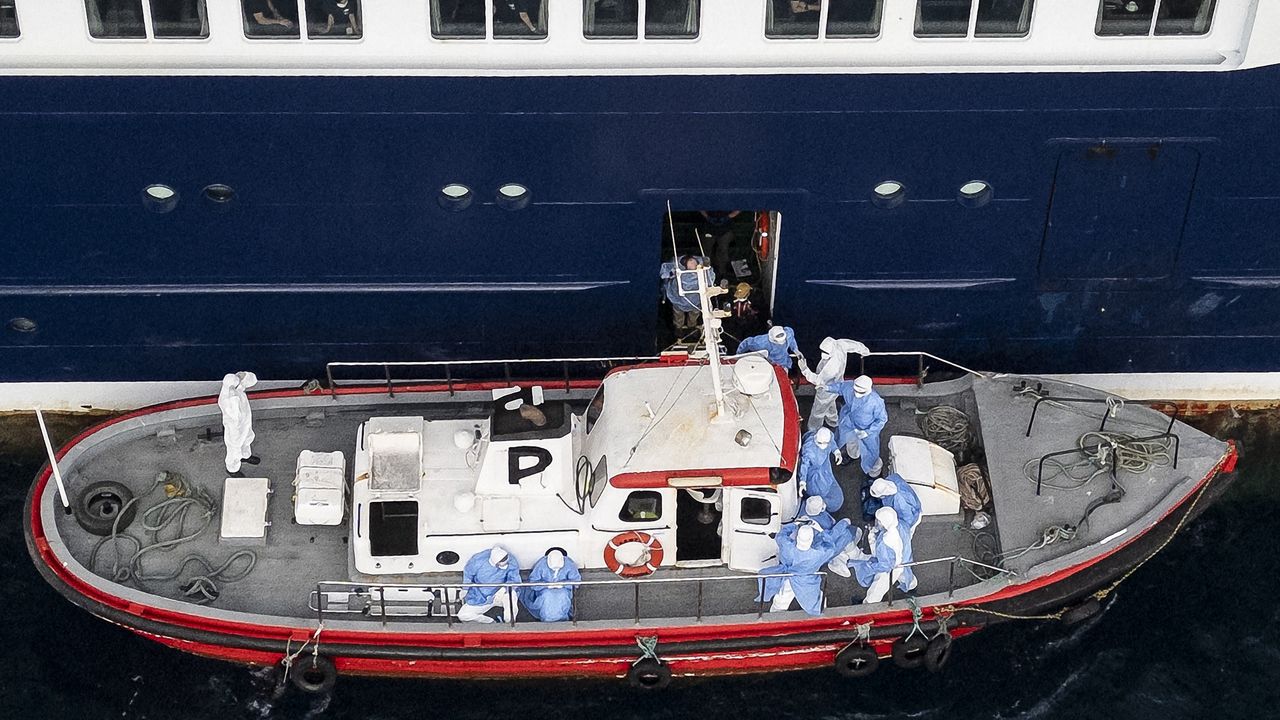
The cluster originated aboard the MV Hondius, a cruise ship currently on course to arrive in Spain on Saturday, May 9, 2026. The vessel became a hot spot after several passengers and crew fell ill with symptoms consistent with hantavirus. Health authorities quickly identified the cluster and began tracing contacts among the approximate 40 individuals who had already left the ship before the outbreak was fully recognized. The cruise line is cooperating with investigations to determine how rodents might have accessed passenger areas.
3. Passengers Monitored in Multiple US States
Roughly 40 people who disembarked from the MV Hondius are now being monitored across several US states. Health departments in those states have initiated active surveillance, contacting individuals daily to check for symptoms like fever or respiratory distress. These passengers are advised to self-quarantine and report any health changes immediately. The wide geographic spread complicates coordination but highlights the speed at which infectious diseases can move through modern travel networks.
4. CDC Prepares Official Guidance
The Centers for Disease Control and Prevention (CDC) is developing formal guidance for managing the hantavirus risk associated with cruise ships. This document will likely cover infection control, environmental cleaning protocols, and passenger screening. The agency is also working with state health departments to standardize monitoring procedures. The guidance, expected within days, will serve as a blueprint for future outbreaks and help reassure the public about the safety of cruise travel.
5. Contact Tracing Underway
Health authorities are racing to trace everyone who may have been exposed. This includes passengers who shared cabins, dining areas, or excursions with confirmed cases. Contact tracers are reaching out via phone and email, asking about symptoms and possible rodent encounters. Because hantavirus has an incubation period of one to eight weeks, tracing must continue for several more weeks. The effort is complicated by the fact that many passengers have already traveled onward to different states and countries.
6. Cruise Ship Heads to Spain
The MV Hondius is continuing its voyage toward Spain, where it is expected to dock on Saturday. Spanish health authorities are on alert to receive the ship and conduct further inspections. Passengers still aboard are being monitored and given protective information. Upon arrival, the ship will likely undergo a thorough cleaning and rodent control treatment before being cleared for future sailings. This serves as a reminder that infectious disease threats can emerge even on well-maintained vessels.
7. How Hantavirus Spreads on Ships
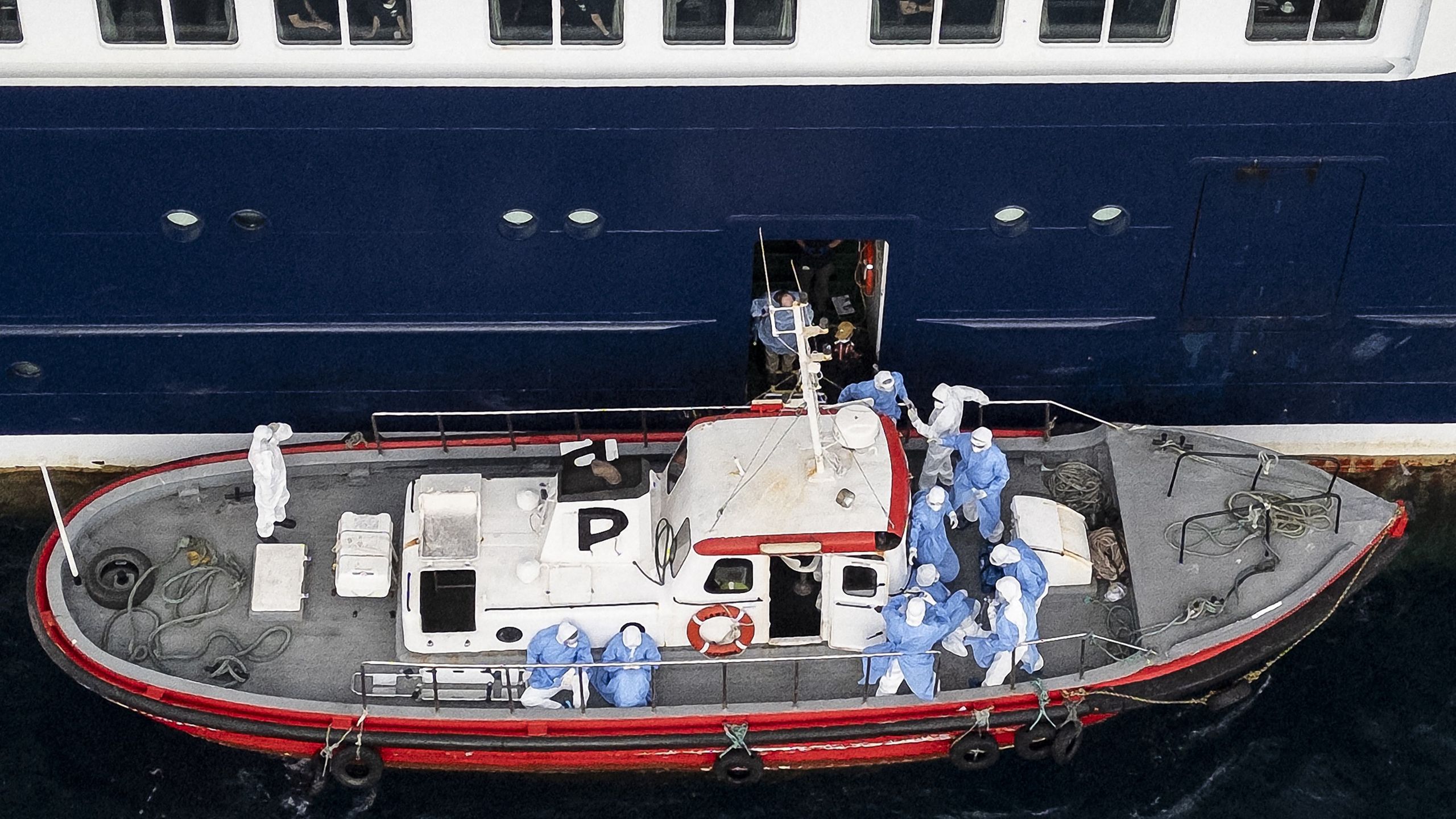
While hantavirus is primarily associated with rural cabins and rodent infestations, cruise ships can become vectors if rodents stow away in cargo or through port connections. Infected rodents shed the virus in their waste, and if that waste becomes airborne—say, during cleaning or ventilation—passengers can inhale it. This outbreak underscores the need for rigorous pest control programs on all cruise lines. The industry is already updating its protocols to prevent similar incidents.
8. Symptoms and Early Detection
Symptoms of hantavirus pulmonary syndrome start four to 42 days after exposure. Early signs include fatigue, chills, headache, and severe muscle aches. Gastrointestinal symptoms like nausea, vomiting, and diarrhea can also occur. As the disease progresses, patients develop a cough and shortness of breath, requiring immediate hospitalization. Because early detection improves survival odds, passengers are urged to monitor themselves closely and report any symptoms to health authorities.
9. Treatment and Prevention
There is no cure for hantavirus infection, and no vaccine exists. Treatment focuses on supportive care, including oxygen therapy, mechanical ventilation, and intensive monitoring. Prevention is the best defense: avoid rodent exposure, seal any potential entry points, and use proper cleaning methods for rodent droppings (wet down with bleach solution, never sweep). Passengers returning from the cruise should follow their local health department's advice and avoid high-risk cleaning activities.
10. What to Do If You Were on the MV Hondius
If you were a passenger or crew member aboard the MV Hondius, stay in close contact with your local health department. Self-monitor for symptoms for a full eight weeks after your last potential exposure. If you develop fever, cough, or muscle aches, seek medical attention immediately and mention your potential hantavirus exposure. Cooperate fully with contact tracers. While the risk remains low for most, vigilance can save lives and help contain this outbreak.
The hantavirus cluster on the MV Hondius is a stark reminder of how quickly zoonotic diseases can jump from wildlife to human populations—even on a cruise ship. As the CDC finalizes its guidance and the vessel heads for Spain, ongoing monitoring and swift public health responses are crucial. For now, passengers and the public should stay informed, follow official recommendations, and report any concerns without delay.