Breaking: Universal Block Standard Unveiled
Today, a team of developers announced the Block Protocol, a free and open standard designed to make web blocks interchangeable across any platform. The protocol promises to end the fragmentation that forces users to rely on limited, platform-specific block libraries.
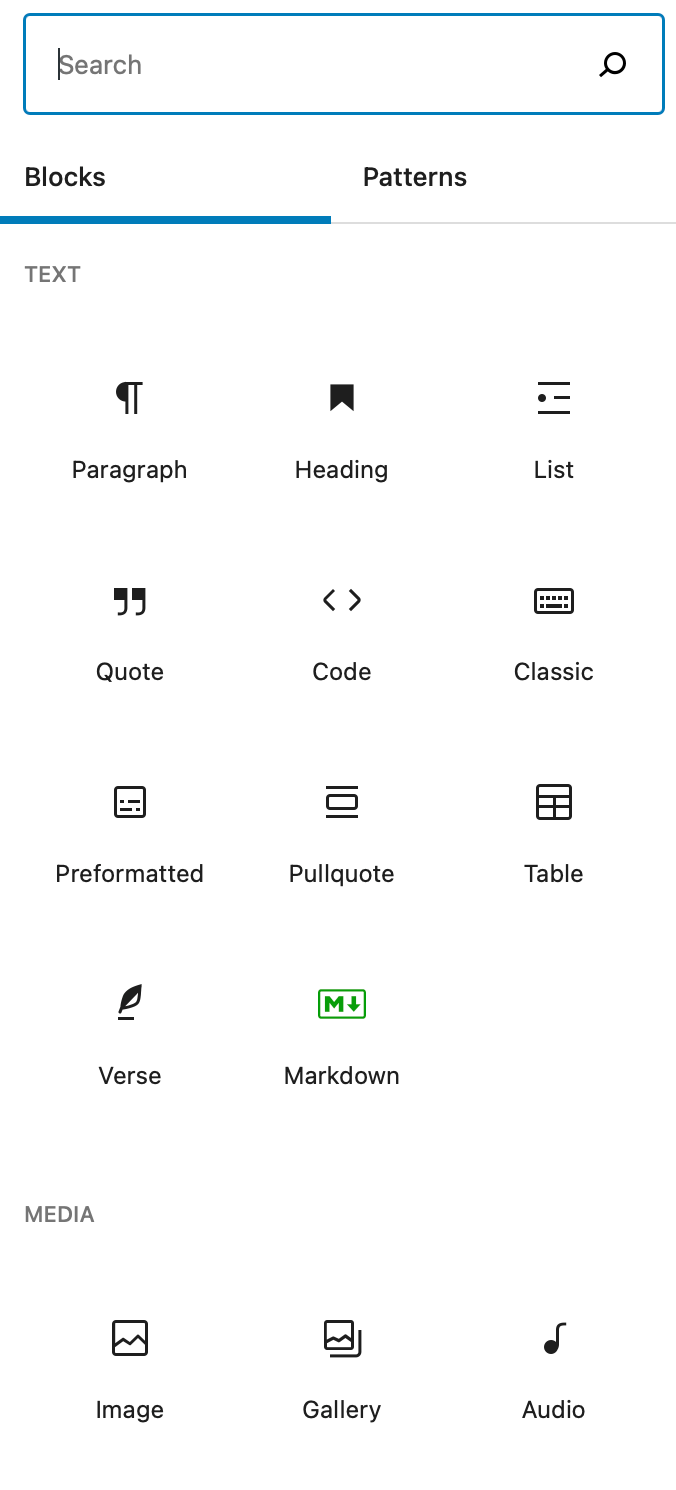
“Until now, every app that wants blocks has to implement them from scratch,” said a spokesperson for the protocol’s creators. “We’re changing that with a simple, universal protocol that any editor can adopt.”
Background: The Problem of Proprietary Blocks
Web editors—from WordPress to Notion—have standardized on the / key to insert blocks, but everything else remains proprietary. A calendar block built for one system won’t work in another. Users are stuck with whatever blocks their chosen app provides.
“This non-standardization makes our end-users suffer,” the team explained. “They want the fancier blocks they see elsewhere, but we can’t implement everything.”
What This Means for Users and Developers
For app developers, the protocol means writing block-embedding code once. Any block that conforms to the standard will work in any compliant editor—blogging tools, note-taking apps, or content management systems.
For end-users, it unlocks a vast, open-source library of blocks. “Anyone can develop a block once and have it work everywhere,” the team added. Blocks can be paragraphs, Kanban boards, calendars, or any structured data tool.

How It Works
The Block Protocol defines how embedding applications communicate with blocks. It is non-proprietary and 100% free. The team has released an early draft and built simple sample blocks and a demo editor.
The goal is to foster an open-source community that creates a rich library of blocks. “We want blocks to be interchangeable and reusable across the web,” the announcement stated.
What You Can Do Now
If you work on an editor, the team urges you to allow your users to embed blocks conforming to the Block Protocol. “You can write the embedding code once and immediately support a huge variety of block types.”
- Visit the background section for more context.
- Explore the ‘What This Means’ section.
- Join the community to help build the open block library.
The protocol is still in early development, but the team hopes to see widespread adoption. “Our goal is to make the web better—with blocks that work everywhere.”