CAPTCHAs have long been a frustrating necessity for distinguishing humans from bots online. Google's upcoming next-generation reCAPTCHA system raises the stakes for Android users, particularly those who have chosen to de-Google their devices. This Q&A breaks down how the new system works, why it demands Google Play Services, and what it means for de-Googled phone owners.
What is Google's next-generation reCAPTCHA, and how does it differ from earlier versions?
Google's new reCAPTCHA system moves beyond simple checkbox or image challenges. Instead, it may require users to scan a QR code with their phone to prove they are human. This shift leverages device-based verification rather than just browser interactions. The goal is to improve security and reduce friction for most users, but the QR code step introduces a heavy reliance on Google's ecosystem. Earlier reCAPTCHA versions could work across any browser or device, but this next-gen version tightens integration with Android's underlying services.
Why does the new reCAPTCHA require Google Play Services on Android?
The QR code verification process relies on Google Play Services to handle the cryptographic checks and device attestation. When a website triggers a reCAPTCHA challenge, the system calls on Play Services to verify that the request comes from a genuine Android device that hasn't been tampered with. By requiring Play Services, Google ensures a consistent security baseline, but it also effectively locks out phones that don't have Google's proprietary software layer installed, such as those running custom ROMs like LineageOS without Google apps.
What specific version of Play Services is needed, and why is that version significant?
According to the original report, the phone must be running Play Services version 25.41.30 or greater at the moment the system asks you to scan a QR code. This specific version introduces the APIs necessary for the new reCAPTCHA verification flow. Older versions lack these capabilities, so even devices with outdated Play Services will fail the challenge. The version requirement creates a moving target: as Google updates the minimum version, older and unsupported phones may lose web access on sites using the new system.
How will de-Googled phones be affected by this change?
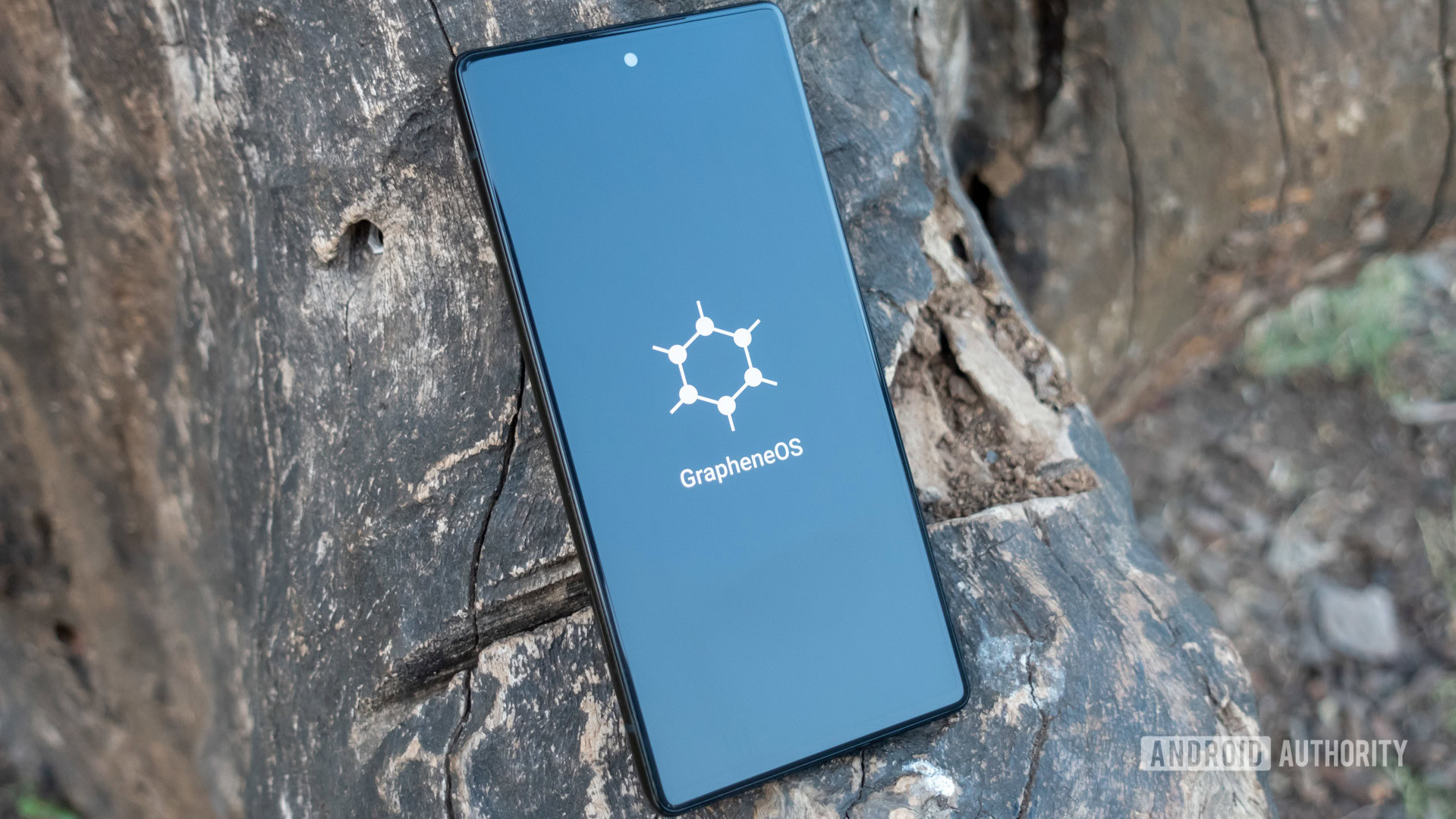
De-Googled phones—devices that intentionally avoid Google services by using custom ROMs like GrapheneOS or /e/OS, or by removing Play Services—will default to failing the verification test. Without Play Services, the QR code scanning app cannot complete the attestation handshake. This means users of these phones will be blocked from accessing any website that implements the next-gen reCAPTCHA. The impact could range from minor annoyance for non-essential sites to complete loss of access to critical services like banking or email.
Are there any workarounds or alternatives for users without Google Play Services?
Currently, no official workaround exists. Some users might try installing a microG layer that mimics Play Services, but microG may not support the specific attestation APIs required, and Google could blacklist such implementations. Alternatives include using a desktop browser or another device to complete verification, but that defeats the purpose of a mobile-friendly QR scan. The long-term solution may involve websites offering a fallback CAPTCHA method, but there's no guarantee. For now, the best advice is to keep a device with full Play Services if you rely on websites that enforce the new reCAPTCHA.
What does this mean for the broader Android ecosystem and user choice?
This change signals Google's increasing ability to enforce its services as essential for core web functionality. While Android's open-source nature allows forking, proprietary requirements like Play Services create a gated experience. Users who value privacy and minimal Google tracking are now faced with a trade-off: avoid Google and lose access to a growing number of websites, or accept surveillance in exchange for convenience. The move also pressures custom ROM communities to either bundle Google's proprietary code or develop complex hacks, potentially undermining the de-Googled movement's momentum.