Introduction: The Identity Crisis in an Autonomous World
As artificial intelligence evolves from simple automation to truly autonomous decision-making, a new challenge emerges: how do we trust these digital entities? Traditional identity systems—built for humans with usernames, passwords, and static certificates—crumble when faced with ephemeral, software-driven actors that spin up, communicate, and vanish in seconds. Enter SPIFFE (Secure Production Identity Framework for Everyone), an open standard originally designed for cloud-native microservices that is now proving essential for agentic AI and non-human actors.
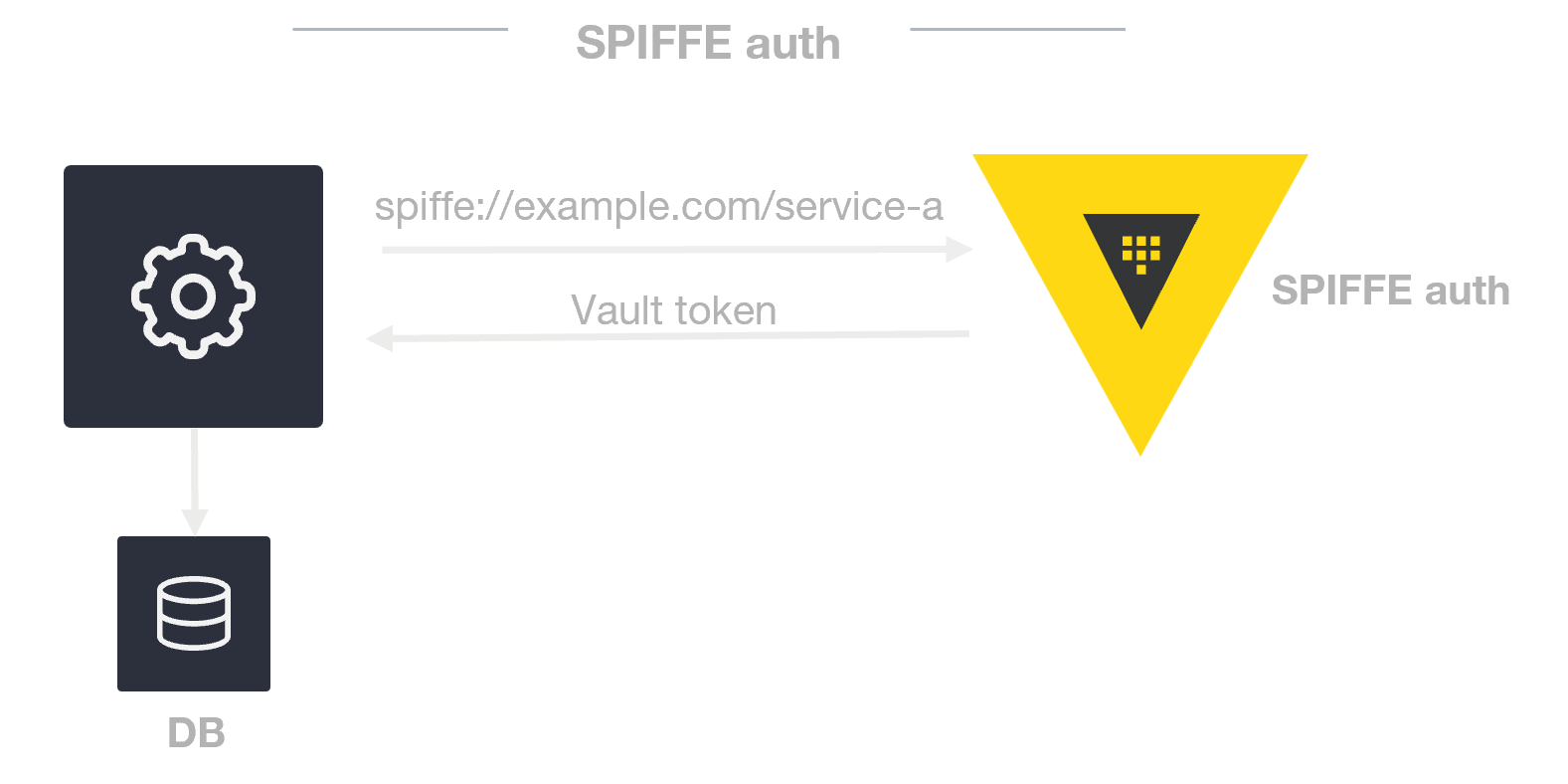
What Is SPIFFE?
At its core, SPIFFE defines a framework to issue and cryptographically verify workload identities without relying on long-lived secrets. Instead of API keys or passwords, each process—whether a container, a serverless function, or an AI agent—receives a SPIFFE ID, a unique URI that binds the workload to a cryptographic key pair. This identity is short-lived, automatically rotated, and verifiable across trust domains.
Core Capabilities
- Workload identity: Every service or agent gets a distinct SPIFFE ID that cannot be forged.
- Federated trust: Identities can be validated across organizational boundaries, enabling cross-cloud and cross-company collaboration.
- Dynamic credentialing: Credentials are automatically issued and rotated, reducing the risk of exposure.
SPIFFE is production-proven in environments like Kubernetes, and its extension, SPIFFE Verifiable Identity Document (SVID), provides the actual cryptographic material (e.g., X.509 certificates) used in mutual TLS (mTLS).
Why SPIFFE Fits Agentic AI Perfectly
Agentic AI systems—autonomous bots, LLM-powered agents, robotic fleets—operate independently, make decisions, and interact with other agents. They need to prove who they are, establish trust without human intervention, and maintain security across dynamic networks. SPIFFE addresses these needs in four key ways.
1. Verifiable Non-Human Identity
SPIFFE IDs are workload-bound, not user-bound. This makes them ideal for AI agents, which are essentially software workloads. Each agent can receive a SPIFFE ID that attests its origin, role, and trust level. For example, a traffic-management agent could have a SPIFFE ID like spiffe://smartcity.gov/traffic-agent, which other systems can cryptographically verify.
2. Zero Trust Architecture
In a zero-trust model, no entity is trusted by default—including AI agents. SPIFFE enables mutual TLS (mTLS) between agents, ensuring every inter-agent communication is authenticated and encrypted. This prevents impersonation and unauthorized access, crucial when agents control critical infrastructure or sensitive data.
3. Federation Across Domains
Agentic systems rarely live in a single silo. An AI agent managing supply chains might need to coordinate with a logistics agent owned by a partner company. SPIFFE's federation model allows identities to be validated across different trust domains (e.g., different clouds, organizations, or network segments) without a central authority. This makes multi-agent, multi-organization ecosystems practical and secure.
4. Dynamic Identity Lifecycle
AI agents are often ephemeral—they spin up for a task, complete it, and disappear. SPIFFE supports short-lived credentials with automatic rotation and revocation. This minimizes the attack surface: even if an agent is compromised, its credential expires quickly. The framework also integrates with orchestration platforms to issue and revoke identities as agents scale up or down.
Real-World Example: Smart City Multi-Agent System
Consider a smart city deploying a swarm of AI agents to manage traffic lights, energy grids, and emergency response. Each agent must:
- Authenticate itself to other agents (e.g., a traffic agent must prove it's authorized to adjust light timings).
- Prove its authority to perform specific actions (e.g., only a validated emergency-response agent can override traffic signals).
- Securely communicate with zero-trust encryption.
With SPIFFE, each agent receives a unique identity at startup. When agents communicate, they perform mTLS handshakes using SVIDs. If a new emergency-response agent is deployed, it automatically gets a valid SPIFFE ID from the control plane. If an agent is compromised, its identity can be instantly revoked, preventing further harm.
Conclusion: A Foundation for Trustworthy AI
SPIFFE is not just a microservice tool—it's a proven identity framework ready for the age of autonomous agents. By providing verifiable non-human identities, enabling zero-trust architectures, supporting federation, and handling dynamic lifecycles, SPIFFE gives agentic AI the secure foundation it needs. As AI systems become more autonomous, adopting standards like SPIFFE will be critical to maintaining trust in the digital fabric of our world.