When Nvidia unveiled its DLSS 5 technology in March, it promised to push the boundaries of photorealism in gaming. But what actually happened was something far different—and far more controversial. Instead of enhancing immersion, the new AI-driven rendering drastically altered the appearance of beloved characters, leading to widespread mockery online. At the center of this storm stood Grace from Resident Evil Requiem, unwittingly becoming the poster child for the tech's flaws. Now, the game's producer has spoken out, expressing relief that gamers rejected the AI version of Grace. Here are the top 10 reasons why that rejection was a blessing in disguise.
1. The Advent of DLSS 5 and Its Promises
Nvidia introduced DLSS 5 as a revolutionary leap in upscaling technology. It was designed to use artificial intelligence to render games in real time with near-perfect detail, supposedly making every frame look like a high-resolution photograph. The marketing emphasized clarity, smooth performance, and a new level of realism. Gamers were excited—until they saw the results. Early demonstrations showed characters with warped facial features, odd lighting, and textures that seemed to melt into each other. The gap between promise and reality became the subject of intense scrutiny.
2. How DLSS 5 Alters Character Appearances
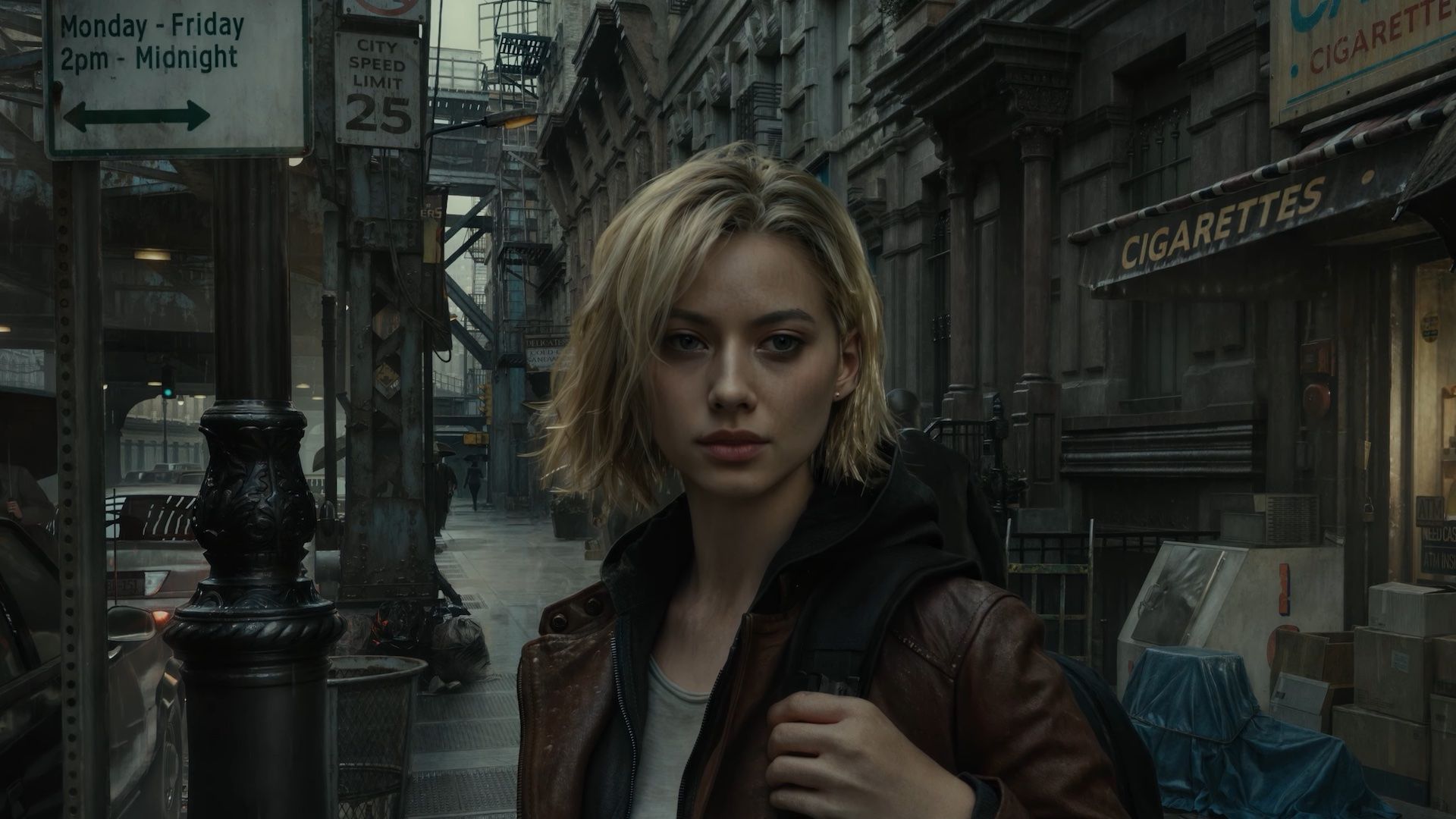
Unlike previous versions, DLSS 5 uses a neural network trained on vast datasets to infer missing details. But when applied to character models, especially those with unique facial structures, the AI often makes bizarre adjustments. Eyes become mismatched, skin looks waxy, and expressions turn unnatural. In the case of Grace, her original design featured soft features and a faint scar near her jawline. DLSS 5 smoothed away the scar, brightened her eyes, and changed the shape of her nose. The result was a completely different—and unrecognizable—character that fans felt betrayed the original artistry.
3. The Unintended Poster Child: Grace from Resident Evil Requiem
Grace had always been a fan favorite, known for her resilience and distinctive look. When Nvidia showcased DLSS 5 using clips from Resident Evil Requiem, her transformed appearance quickly went viral. Memes comparing the original to the AI version flooded social media, with captions like “How the PC sees her vs. how console sees her.” She became the unwitting face of a debate about AI in gaming. For the development team, seeing their carefully crafted protagonist turned into a meme was disheartening—but it also validated their concerns about the technology.
4. Community Backlash: Memes and Mockery
The gamer community didn't hold back. Within hours of the DLSS 5 reveal, platforms like Reddit, Twitter, and YouTube were filled with side-by-side comparisons and satirical edits. One popular meme showed Grace with exaggerated features, labeled “DLSS 5 vs. Reality.” Another compared her new look to a generic AI-generated NPC. The backlash wasn't just about aesthetics—it was about a perceived disregard for the original creative vision. Players felt that Nvidia was prioritizing technological gimmicks over the integrity of the game's art style.
5. The Producer's Reaction: A Sense of Relief
In a recent interview, the producer of Resident Evil Requiem admitted that he was “glad” gamers rejected the AI version of Grace. He explained that the team had been pressured to adopt DLSS 5 to boost performance metrics, but they had always felt uneasy about how it altered their work. The public outcry gave them the leverage to push back and insist on maintaining the original designs. His relief was palpable—he saw the rejection not as a failure of the game, but as a victory for artistic integrity.
6. Defending Artistic Integrity Over AI Enhancements
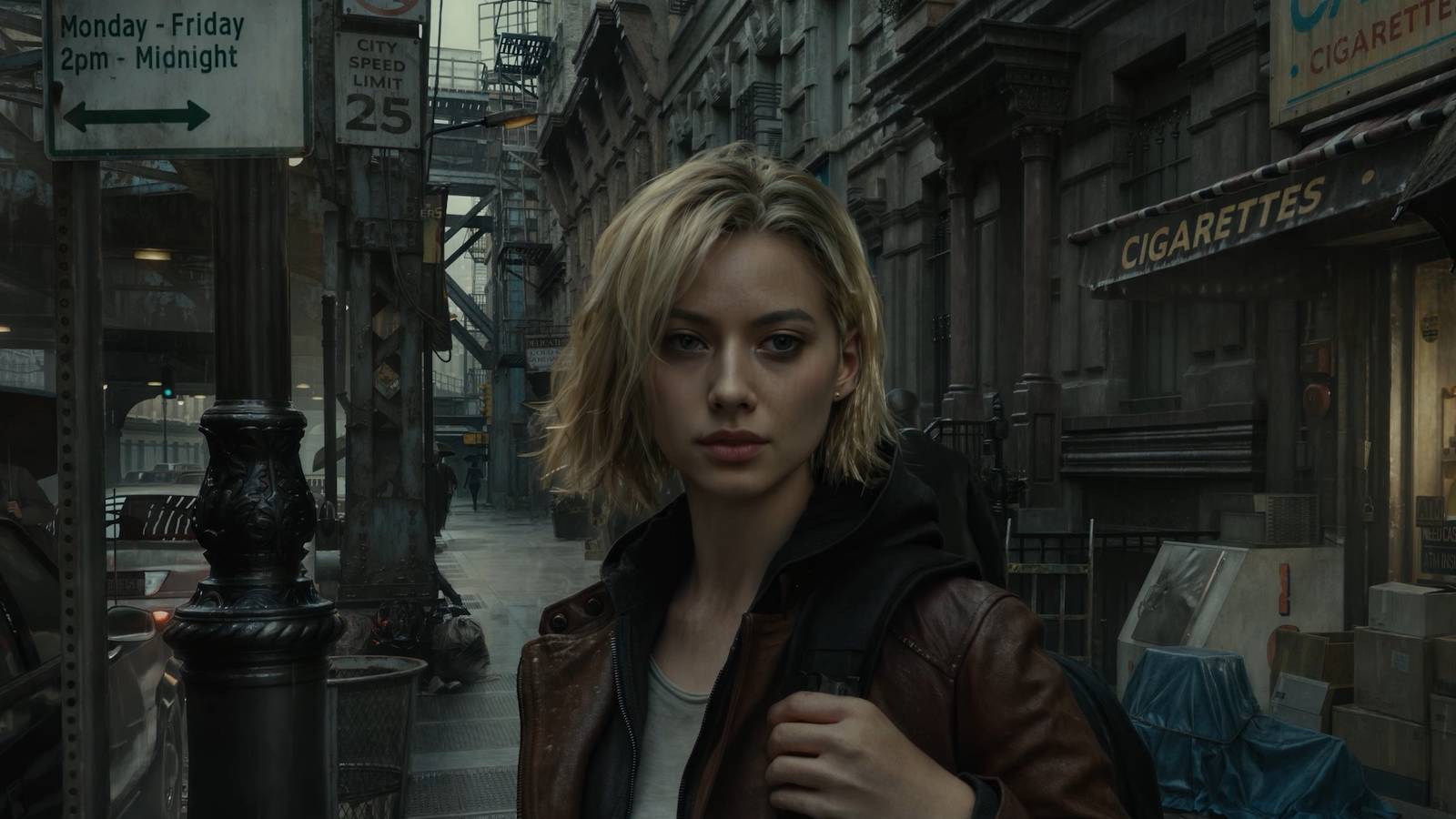
For the development team, every character model is the result of countless hours of design, iteration, and emotion. Grace's scar, for instance, was a deliberate storytelling device that hinted at her past. DLSS 5's tendency to smooth away such details felt like erasing a part of her history. The producer emphasized that while AI has its place, it should never override the deliberate choices made by human artists. The rejection of the AI version reaffirmed their belief that technology should serve art, not distort it.
7. The Importance of Player Feedback in Game Development
The incident highlights how crucial player feedback is in shaping the final product. When the community spoke out against the DLSS 5 version of Grace, the developers listened. They didn't just dismiss it as vocal minority—they took it as a clear signal that the technology wasn't ready for primetime. This responsive approach helps build trust between creators and audiences. Players feel heard, and developers can make informed decisions that keep the gaming experience authentic.
8. Lessons Learned for Future DLSS Implementations
The backlash has prompted both Nvidia and game studios to reconsider how DLSS is applied. Instead of a one-size-fits-all solution, future versions may allow for more granular control, letting developers preserve key facial features. Some have even suggested training AI on the specific art style of each game. The producer hopes that the Grace controversy will lead to a better balance between performance and preservation. It's a lesson that technology must adapt to the medium, not the other way around.
9. The Bigger Conversation: AI in Creative Industries
This controversy is part of a larger debate about AI's role in creative fields. From visual art to music to writing, AI tools are increasingly used to enhance or generate content—but often at the cost of human nuance. The rejection of the AI Grace symbolizes a broader desire to keep human creativity at the center. Gamers aren't against innovation; they want tools that respect the original craft. The incident serves as a case study in the ethical use of AI in entertainment.
10. Moving Forward: What This Means for Resident Evil Requiem
For Resident Evil Requiem, the controversy has actually strengthened its identity. The game now carries a narrative of standing up against soulless automation. The development team has committed to releasing the game without DLSS 5's character modifications, ensuring that Grace looks exactly as intended. Players who supported the rejection can feel a sense of ownership over the game's visual integrity. In the end, the producer's gladness is shared by many—a reminder that sometimes the best upgrade is no upgrade at all.
In conclusion, the rejection of Nvidia's AI version of Grace wasn't just about a character's appearance—it was about defending the soul of game development. The Resident Evil Requiem producer's relief mirrors that of many fans who want technology to enhance, not replace, human artistry. As AI continues to evolve, the lesson from this incident will resonate: always listen to the players, and never let algorithms overshadow the heart of a story.